Making the 60-mile crossing to the Bahamas or running offshore beyond the Gulf Stream demands constant vigilance at the helm. After hours of maintaining course through changing seas, fatigue becomes a genuine safety concern. A professionally installed boat autopilot system transforms these challenges, allowing you to maintain precise heading while monitoring electronics, managing lines, or simply reducing the physical strain of long passages.
The decision to install a marine autopilot system represents one of the most valuable upgrades for serious boaters navigating South Florida waters. However, the quality of installation matters as much as the equipment itself. Improperly installed autopilots can compromise steering response, drain batteries, or fail when you need them most.
Understanding Marine Autopilot Systems
Modern boat autopilot systems consist of several integrated components that work together to maintain your vessel’s course. The brain of the system is the autopilot computer, which receives heading information from compass sensors and makes continuous steering corrections through either a hydraulic pump, mechanical drive unit, or electronic interface with existing hydraulic steering.
Three primary types of autopilot systems serve different vessel configurations:
- Hydraulic Linear Drive Systems: Ideal for vessels with hydraulic steering, these systems use a pump to add or remove fluid from steering cylinders, providing powerful course corrections suitable for offshore conditions
- Mechanical Drive Units: Common on smaller outboard-powered vessels, these physically turn the steering wheel or directly actuate the motor through linkage arms
- Electronic Steering Integration: Modern drive-by-wire systems found on newer outboards interface digitally with existing electronic steering, offering the cleanest installation
Understanding which system matches your vessel’s steering configuration is the first critical decision in the installation process.
Why Professional Installation Matters
The marine environment presents unique challenges that make professional marine electronics installation essential for autopilot systems. Saltwater corrosion, vibration, electrical interference, and the consequences of system failure offshore create risks that don’t exist in automotive or recreational vehicle applications.
A NMEA certified installer brings specialized knowledge in several critical areas. Proper compass calibration requires accounting for magnetic deviation caused by engines, electronics, and metal structures throughout your vessel. Incorrect calibration results in course deviations that compound over distance—potentially putting you miles off course during a Bahamas crossing.
Hydraulic system integration demands precise understanding of steering geometry, pump sizing, and pressure requirements. Undersized pumps provide inadequate steering authority in following seas, while oversized units can overheat or damage steering components. The electrical installation must account for high current draw during active steering, requiring properly sized wiring, circuit protection, and battery management to prevent voltage drops that affect other critical systems.
NMEA 2000 network integration allows your autopilot to receive GPS heading, wind data, and AIS information from other onboard systems. Professional installers ensure proper network backbone configuration, termination resistance, and power distribution—technical requirements that significantly impact system reliability.
Garmin Autopilot Installation Considerations
Garmin autopilot systems integrate seamlessly with Garmin chartplotters and multifunction displays, offering intuitive control and advanced features like Reactor™ hydraulic steering for superior course-holding performance. The Garmin Reactor 40 serves as an excellent choice for center consoles and sportfish vessels up to about 35 feet, while larger yachts benefit from the Reactor 70 or Reactor 100 systems.
Installation complexity varies by model. The GHP Reactor autopilot computer mounts below deck in an IP-rated enclosure, requiring consideration of heat dissipation, access for future service, and proximity to the compass sensor for optimal performance. The solid-state nine-axis compass provides accurate heading even during aggressive maneuvering, but placement away from magnetic interference sources requires expertise.
Garmin systems excel in their integration with other Garmin electronics. When properly networked, your autopilot can follow routes from your chartplotter, automatically adjust for wind using data from compatible weather instruments, and even integrate with Garmin’s digital switching systems for comprehensive vessel control.
Raymarine Autopilot Installation Requirements
Raymarine autopilot systems offer robust performance with Evolution autopilot technology that adapts to your vessel’s handling characteristics through sophisticated algorithms. The Evolution EV-400 Power system suits most recreational vessels, while commercial applications may require the Evolution EV-200 series.
Raymarine’s ACU (Autopilot Computer Unit) serves as the system’s brain, processing inputs from the Evolution compass sensor and controlling hydraulic or mechanical drive units. The p70R or p70Rs control head provides the user interface, with the “s” variant including an integrated GPS antenna for enhanced functionality even if your primary GPS fails.
Professional installation ensures the Evolution sensor mounts in an optimal location—typically on a stable structural member away from engines and large metal objects. The sensor’s AHRS (Attitude and Heading Reference System) technology requires proper alignment during installation and careful calibration to deliver the smooth, responsive steering Raymarine systems are known for.
Hydraulic pump integration demands attention to fluid type compatibility, pressure ratings, and proper bleeding procedures. Marine-grade hydraulic fluid must be used, and the system must be thoroughly bled to prevent spongy response or pump damage.
Installation Process and Timeline
A professional yacht autopilot installation typically requires two to four days depending on vessel complexity and existing electronics infrastructure. The process begins with a comprehensive assessment of your steering system, electrical capacity, and integration requirements.
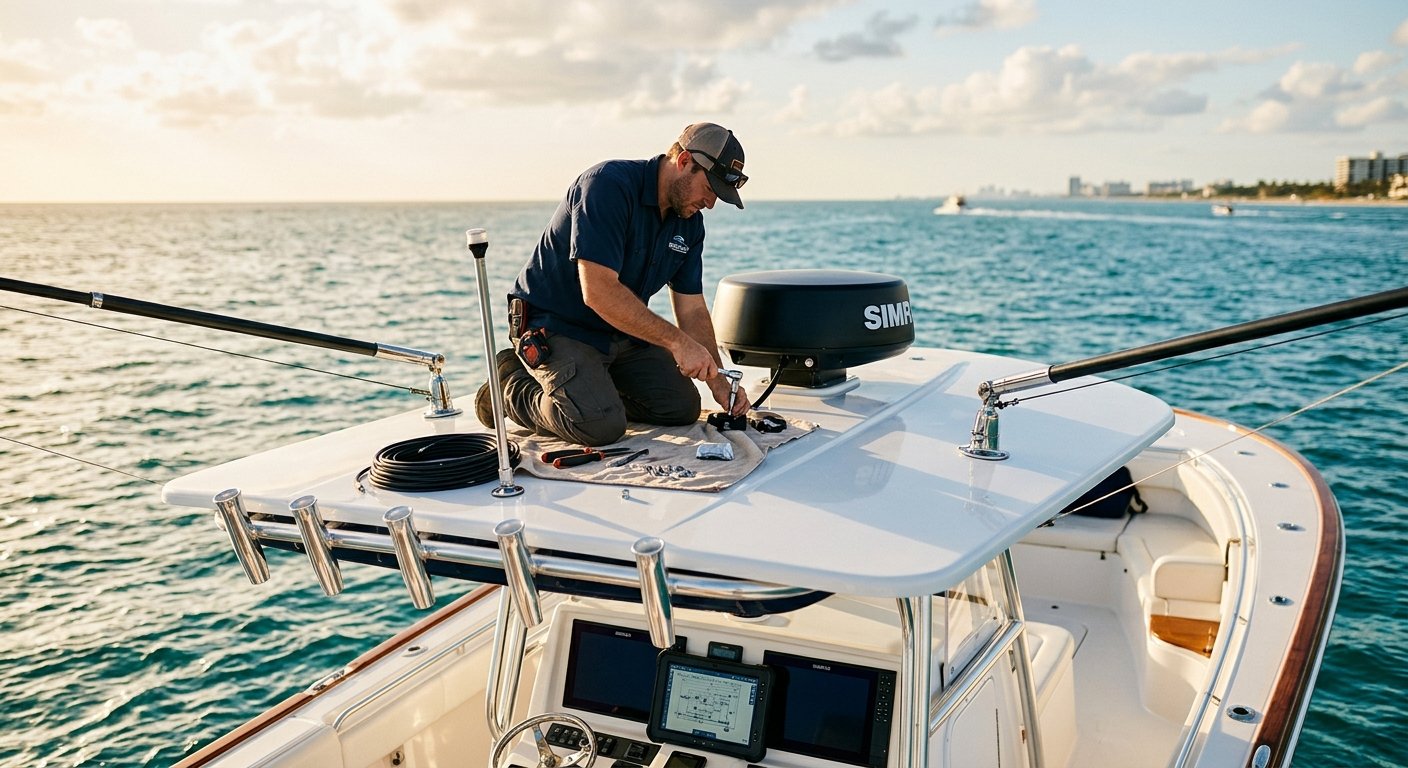
Day one involves planning component locations, running cables, and installing mounting hardware. Marine-grade tinned copper wiring is specified based on current requirements and cable run lengths to minimize voltage drop. All connections receive proper crimping and heat-shrink protection with marine-grade adhesive-lined heat shrink to seal against moisture intrusion.
Hydraulic installations require fabricating custom mounting brackets, installing the pump with proper orientation for self-bleeding, and integrating pressure sensors where applicable. Drive units for mechanical systems need precise alignment to prevent binding or uneven wear.
The second day focuses on electronics integration and system configuration. NMEA 2000 or NMEA 0183 connections link the autopilot to GPS, chartplotter, and other sensors. Network configuration ensures proper data flow and eliminates conflicts between devices.
Compass calibration follows a precise procedure involving multiple headings and compensation for magnetic deviation. This process requires experience to achieve accurate results, particularly on vessels with complex electronics installations or multiple engines.
Sea trials validate performance across various conditions. The installer tests course-keeping ability, evaluates steering response, and fine-tunes gain settings for optimal performance. Proper documentation of configuration settings ensures future service technicians can quickly diagnose issues or make adjustments.
South Florida-Specific Installation Factors
The marine environment from Stuart to Fort Lauderdale presents specific challenges for marine electronics installation. High humidity, salt air, and intense UV exposure accelerate corrosion and degradation of improperly protected components.
All electrical connections must meet or exceed IP67 ratings for water intrusion protection. Even components mounted in “dry” areas like consoles or cabins can encounter moisture during heavy weather or when systems are washed down. Professional installers use conformal coating on circuit boards, dielectric grease on connections, and proper wire routing to prevent water accumulation.
Vessels kept at local marinas along the St. Lucie River or in Fort Lauderdale canals face additional challenges from electrical stray current that accelerates galvanic corrosion. Proper grounding and bonding becomes essential, not just for autopilot longevity but for protecting through-hull fittings and underwater metals.
South Florida boaters frequently make offshore runs to the Gulf Stream or cross to the Bahamas, where system reliability becomes critical. Professional installation ensures redundancy where practical—maintaining manual steering capability even with autopilot engaged and ensuring the system can be quickly disengaged if needed.
Hurricane Preparation Considerations
Autopilot systems contain sensitive electronics that require protection during hurricane season. Professional installers consider storm preparation during the initial installation, using mounting locations and techniques that facilitate quick disconnection of sensitive components when a storm threatens.
Control heads and displays should be installed with quick-disconnect mounts when possible, allowing you to remove them for storage ashore. Below-deck computers and drive units generally remain installed but benefit from being located above potential bilge water levels.
Integration with Existing Marine Electronics
Modern vessels often feature complex electronics installations with multiple displays, radar, AIS, fish finders, and communication systems. Professional marine electronics installers ensure your new autopilot integrates seamlessly without creating conflicts or degrading performance of existing equipment.
NMEA 2000 networks require proper architecture with adequate power, correct termination, and appropriate backbone sizing. Adding an autopilot to an already-populated network may require network restructuring to maintain reliability. The autopilot becomes a significant data consumer and contributor, exchanging heading information, GPS data, and control commands across the network.
Older vessels with NMEA 0183 systems require different integration approaches. Converters and gateways may be necessary to share data between the autopilot and legacy equipment. Professional installers understand these technical requirements and implement solutions that maximize compatibility.
Maintenance and Service After Installation
A properly installed marine autopilot system requires minimal ongoing maintenance but benefits from annual inspection and testing. Hydraulic systems need periodic fluid checks, while mechanical drive units require lubrication and inspection for wear. Electrical connections should be inspected for corrosion, and compass calibration may need verification if you’ve added new electronics or made structural modifications.
Professional installers provide documentation of your system configuration, including network diagrams, calibration settings, and component specifications. This information proves invaluable for future troubleshooting or upgrades.
Cost Considerations and Value
Professional yacht autopilot installation represents a significant investment, with total costs varying based on vessel size, system complexity, and integration requirements. Equipment costs for quality systems from Garmin or Raymarine range from several thousand dollars for smaller vessels to $15,000 or more for larger yachts requiring sophisticated hydraulic systems.
Installation labor typically adds 30-50% to equipment costs but delivers substantial value through proper configuration, reliable integration, and warranty protection. Manufacturer warranties often require professional installation by certified technicians, making DIY installation a false economy that can void warranty coverage.
The value delivered extends beyond convenience. Reduced fatigue on long passages improves safety and decision-making ability. Precise course-keeping reduces fuel consumption by eliminating the constant course corrections inherent in manual steering. For serious offshore boaters, these benefits justify the investment many times over.
Frequently Asked Questions
How long does autopilot installation take?
Professional installation typically requires 2-4 days depending on vessel complexity and system type. Simple mechanical installations on smaller boats may be completed faster, while complex hydraulic installations on larger yachts with extensive electronics integration may require additional time.
Can autopilot be added to any boat?
Most boats with helm steering can accommodate autopilot, but the specific system type depends on your steering configuration. Hydraulic steering accepts linear drive systems, while cable steering or outboards may use mechanical drive units or electronic integration for drive-by-wire systems. A professional assessment determines the best solution for your vessel.
Do I need special licenses or certifications to use autopilot?
No special license is required to operate autopilot on recreational vessels. However, Coast Guard regulations require maintaining proper lookout even with autopilot engaged. The helmsman remains responsible for navigation and collision avoidance at all times.
How often does autopilot need calibration?
Initial professional calibration typically remains accurate for years unless you make significant changes to electronics or vessel structure. Annual verification during routine service ensures optimal performance. Major electronics upgrades or addition of equipment near the compass sensor may require recalibration.
Partner with Experienced Marine Electronics Professionals
Installing a boat autopilot system represents a significant upgrade that enhances safety, reduces fatigue, and improves the overall boating experience. The complexity of modern autopilot systems demands professional installation by experienced, certified technicians who understand the unique challenges of the marine environment.
Marine Electronics Installations brings NMEA-certified expertise and factory training to every autopilot installation. Our team understands the specific requirements of South Florida boating, from Gulf Stream passages to Bahamas crossings, and delivers installations that perform reliably when you need them most.
Contact MEI at (772) 634-6055 to discuss your autopilot installation needs. Our Stuart facility at 7892 SW Jack James Dr, Stuart, FL 34997 serves boaters throughout South Florida with professional marine electronics installation backed by technical expertise and commitment to quality. Let us help you select and install the autopilot system that matches your vessel and boating style.