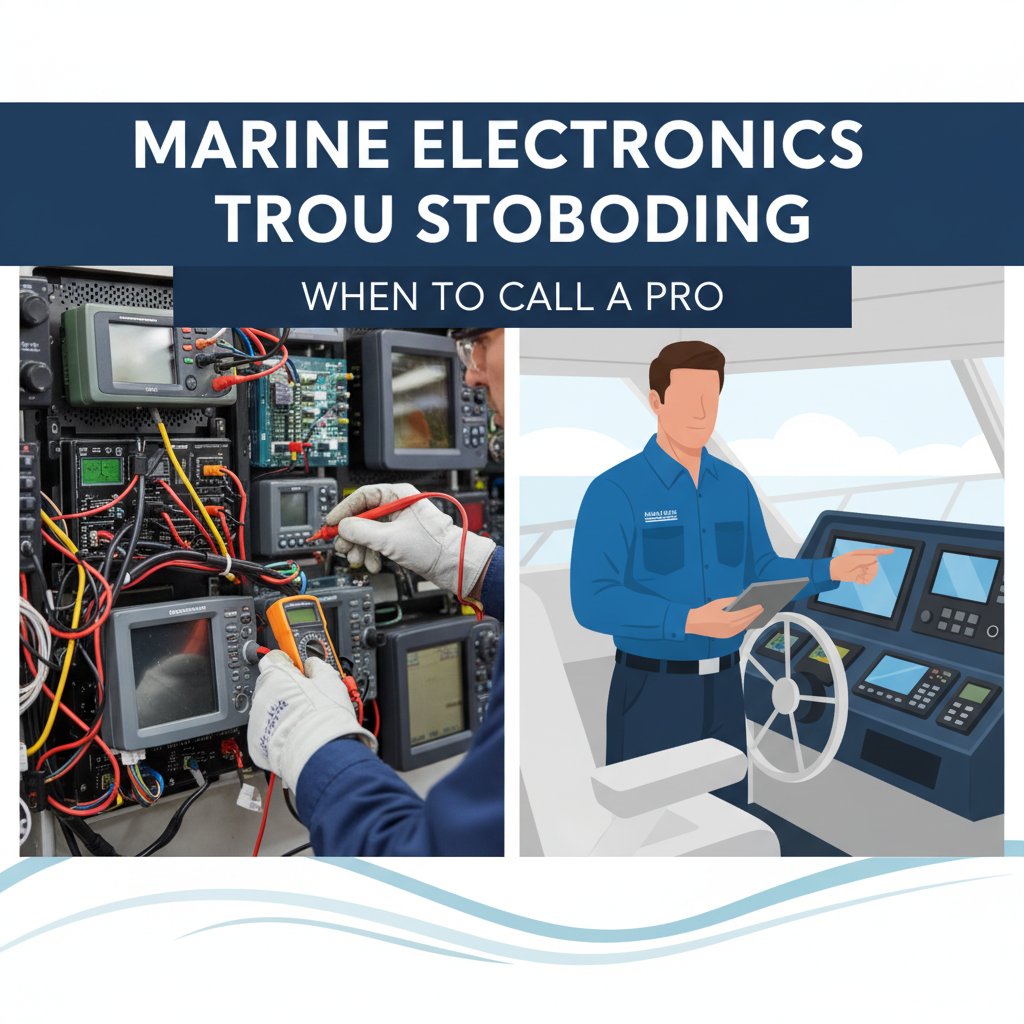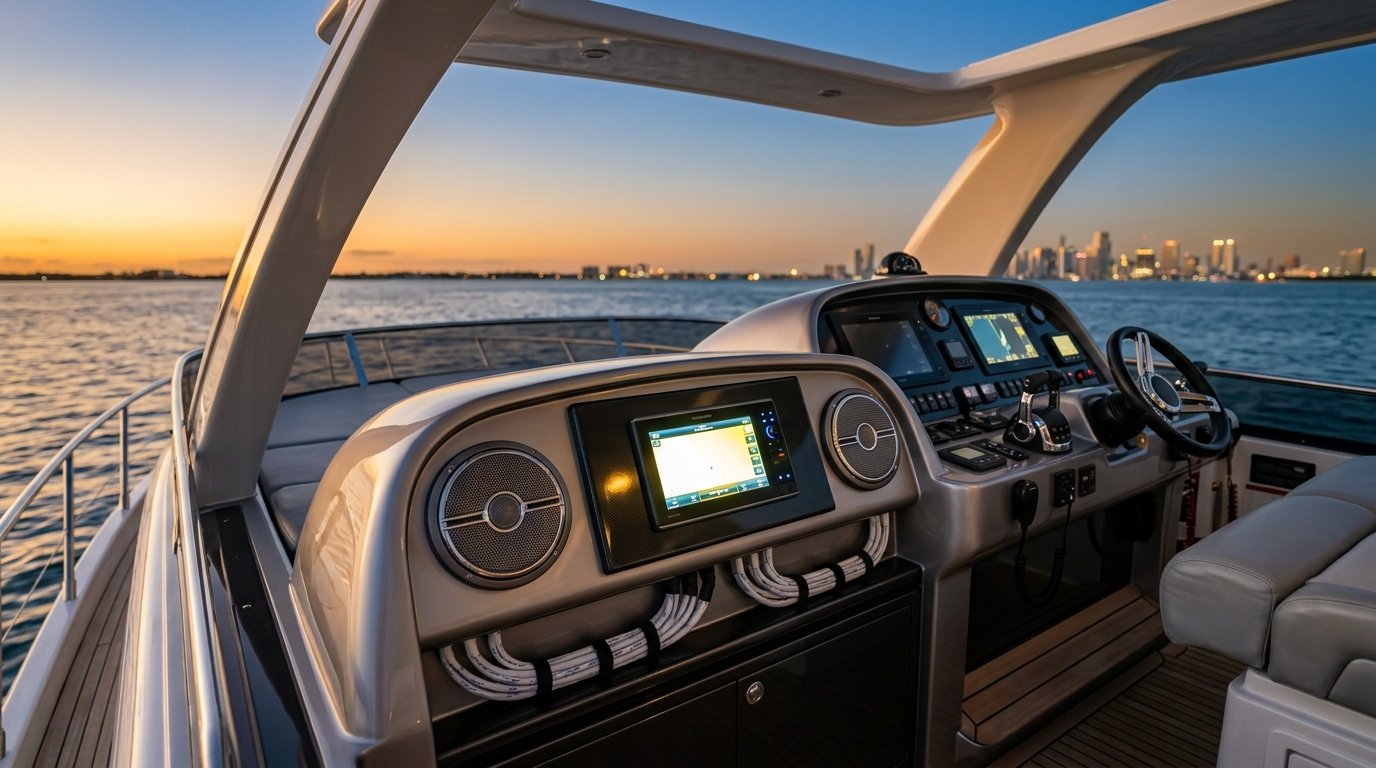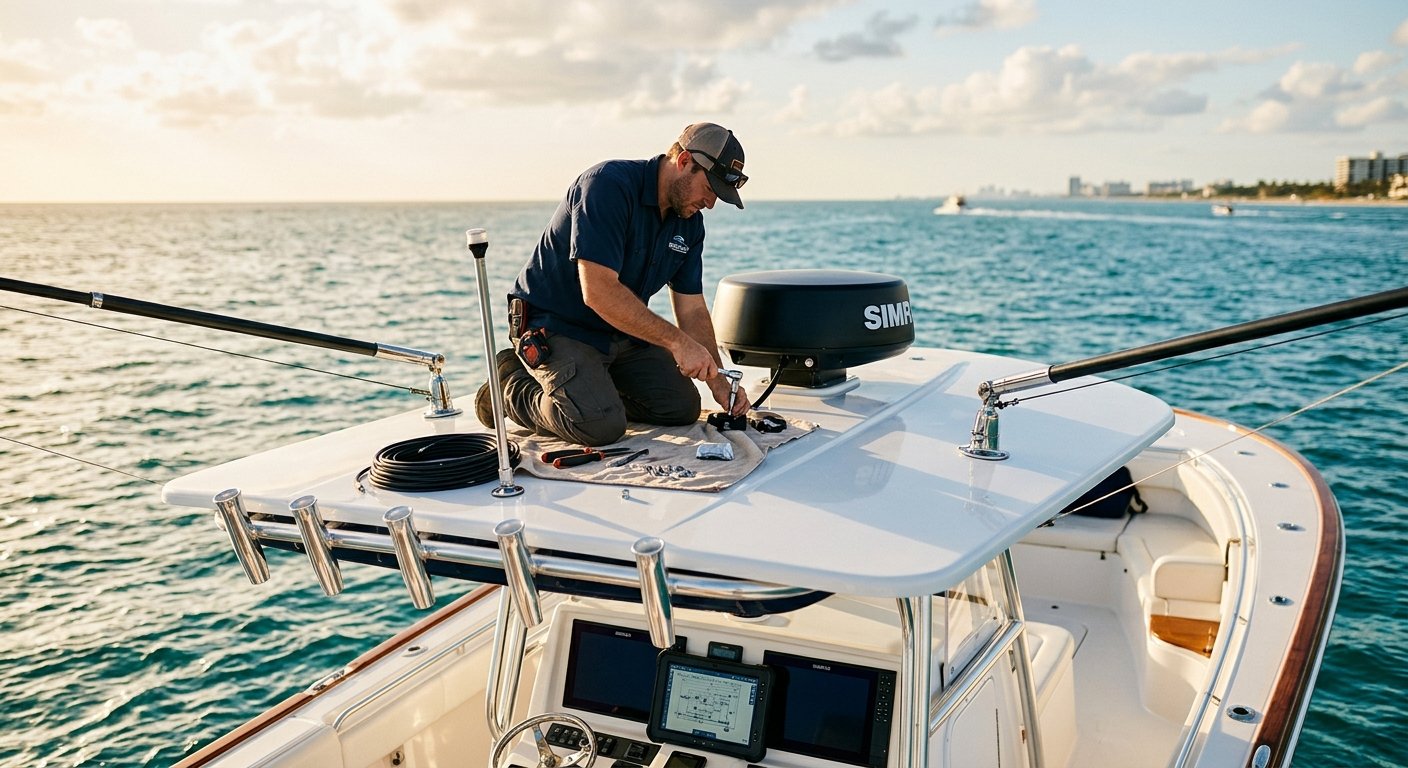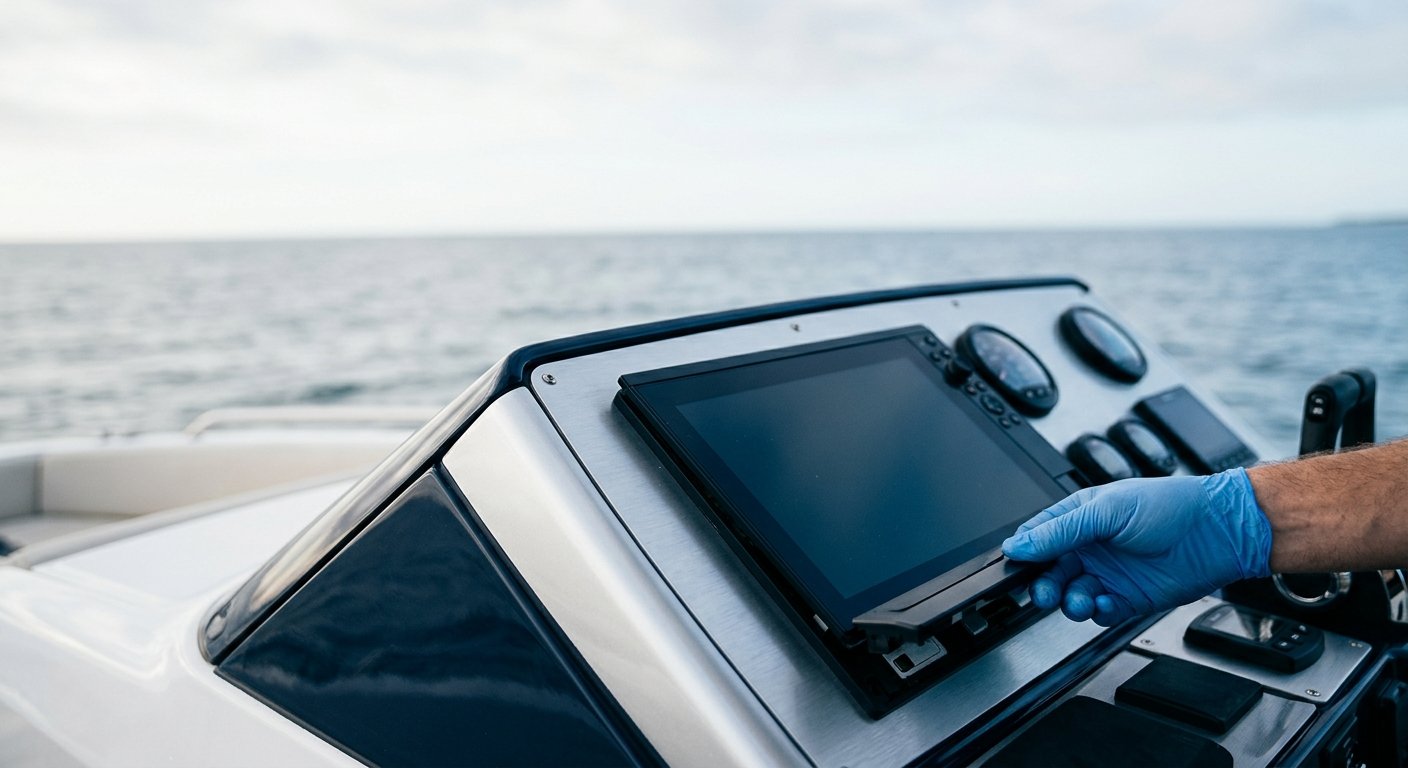
Your chartplotter displays a frozen screen twenty miles offshore. Your radar shows phantom targets. Your autopilot suddenly refuses commands in three-foot seas. Every boat owner eventually faces marine electronics failures, but the decision between DIY troubleshooting and professional marine electronics repair can mean the difference between a minor inconvenience and a dangerous situation.
Marine electronics operate in one of the harshest environments imaginable. Constant saltwater exposure, temperature fluctuations, electrical system variations, and mechanical vibration create unique failure modes rarely encountered in household electronics. Understanding when you’re dealing with a simple fix versus a complex issue requiring yacht electronics service expertise protects both your safety and your investment.
Understanding Marine Electronics Complexity
Modern boat electronics have evolved far beyond standalone devices. Today’s systems function as integrated networks where your GPS, radar, autopilot, AIS, fishfinder, and engine data communicate through NMEA 2000 and NMEA 0183 protocols. A single faulty termination resistor or improperly configured network can cascade into multiple apparent failures across your entire system.
This integration creates troubleshooting complexity that requires specialized diagnostic equipment and knowledge. What appears to be a failed chartplotter might actually stem from a corrupted chart card, voltage fluctuation, network configuration error, antenna problem, or genuine hardware failure. Proper boat electronics troubleshooting demands systematic testing to isolate the actual fault.
Simple Issues You Can Address
Before calling for professional marine electronics repair, several basic troubleshooting steps can resolve common problems without specialized tools or training.
Power Cycling and Connection Checks
Many apparent electronics failures resolve with a simple reboot. Turn the device completely off, wait thirty seconds, then restart. This clears temporary software glitches and refreshes network connections. Check obvious physical connections—ensure power cables seat firmly, antenna connections show no corrosion, and circuit breakers haven’t tripped.
Inspect visible wiring for chafe, especially where cables pass through bulkheads or contact moving parts. South Florida’s intense UV exposure degrades cable insulation over time, particularly on flybridge installations. Look for discolored, brittle, or cracked insulation indicating deterioration.
Basic Software Issues
Outdated software causes numerous operational problems. Most marine electronics manufacturers release regular firmware updates addressing bugs and adding features. Check your manufacturer’s website for available updates and installation instructions. Many modern units update via WiFi or through chart card downloads, making this a straightforward DIY task.
Similarly, ensure your electronic charts haven’t expired. Expired charts may cause performance issues or prevent proper operation on certain devices. Verify your chart subscription status and update as needed.
Environmental Adjustments
Radar and sonar performance issues sometimes stem from incorrect settings rather than hardware failure. Heavy rain can affect radar performance—this is normal physics, not a malfunction. Adjust your gain, sea clutter, and rain clutter controls. For fishfinders displaying poor images, verify you’re using appropriate frequency and range settings for your depth and target fish species.
GPS accuracy problems occasionally result from antenna obstruction. Ensure no new equipment, canvas, or hardtop modifications block your GPS antenna’s view of the sky. GPS requires clear line-of-sight to satellites for optimal performance.
When Professional Marine Electronics Diagnostic Becomes Essential
Certain symptoms indicate problems requiring professional intervention. Attempting DIY repairs in these situations often causes additional damage and increases ultimate repair costs.
Intermittent Failures and Random Reboots
Electronics that fail unpredictably or reboot without reason signal serious underlying issues. Intermittent problems typically indicate voltage irregularities, failing capacitors, corroded connections, or network conflicts. These issues require systematic testing with specialized equipment including oscilloscopes, network analyzers, and voltage monitors under load conditions.
In South Florida’s marine environment, saltwater intrusion into connections creates intermittent failures as corrosion builds resistance that varies with temperature and humidity. Professional technicians understand these environment-specific failure patterns and know where to look.
Network Communication Failures
When multiple devices stop communicating or display “network error” messages, you’re facing NMEA network problems requiring expertise. NMEA 2000 networks demand proper termination, correct cable specifications, appropriate power distribution, and valid device addressing. Network diagnostic tools reveal bus voltage, termination resistance, and message traffic patterns that identify failing components or configuration errors.
Attempting to troubleshoot network issues without proper training often worsens the situation. Incorrect termination can damage multiple devices. Adding incompatible components creates conflicts affecting the entire system.
Radar and Autopilot Malfunctions
Boat radar repair requires specialized knowledge and equipment. Radar systems operate at microwave frequencies with precise timing requirements. Internal failures need professional diagnosis to determine whether the magnetron, waveguide, rotating joint, or control electronics have failed. Radar units also require proper bench testing and calibration after repair.
Autopilot failures present serious safety implications. An autopilot that responds erratically, overshoots headings, or loses calibration could indicate compass problems, drive unit failures, control head issues, or software corruption. Given that autopilot failure in rough conditions creates dangerous situations, professional yacht electronics service ensures reliable operation.
Water Intrusion and Corrosion
Any electronics showing signs of water intrusion require immediate professional attention. Water damage spreads through circuit boards causing progressive corrosion. What initially affects one component will eventually destroy the entire unit if not properly addressed.
Professional repair involves complete disassembly, ultrasonic cleaning to remove salt deposits, component-level inspection, and conformal coating to prevent future corrosion. DIY cleaning rarely succeeds because invisible salt residue continues causing corrosion even after apparent drying.
South Florida’s salt air accelerates corrosion even in “sealed” units. Annual professional inspection identifies early corrosion before it causes failures, particularly for electronics exposed on tuna towers, outriggers, and flybridge installations.
The True Cost of DIY Marine GPS Repair Attempts
Marine electronics carry sophisticated circuit boards with microscopic components. Unlike automotive electronics, marine units must meet IP rating specifications for water resistance. Opening a sealed unit without proper reassembly techniques compromises these ratings, allowing future moisture intrusion.
Many manufacturers void warranties when unauthorized repairs are attempted. A $300 professional diagnosis might reveal a warranty-covered issue, while DIY disassembly eliminates that option. Manufacturers also restrict component availability to authorized service centers, making proper parts difficult or impossible to obtain.
Consider the offshore scenario: your DIY-repaired GPS fails thirty miles out while heading to the Bahamas. The replacement cost pales compared to the safety risk and potential vessel damage from navigation errors. Professional marine electronics repair provides verified reliability.
Choosing Professional Marine Electronics Service
Not all electronics repair services possess marine-specific expertise. Automotive or general electronics technicians lack understanding of marine network protocols, environmental challenges, and safety requirements specific to vessel installations.
NMEA Certification and Factory Training
Qualified marine electronics technicians hold NMEA certifications demonstrating competency in marine systems installation and repair. Factory training from manufacturers like Garmin, Furuno, Simrad, and Raymarine ensures technicians understand specific product architectures, diagnostic procedures, and proper repair techniques.
Factory-authorized service centers maintain direct manufacturer relationships providing access to technical support, genuine parts, and proprietary diagnostic software unavailable to general repair shops.
Proper Diagnostic Equipment
Professional marine electronics diagnostic requires specialized tools. NMEA network analyzers, marine-grade multimeters, oscilloscopes, signal generators, and manufacturer-specific diagnostic software enable systematic fault isolation. These tools represent substantial investment justified only by dedicated marine electronics focus.
Radar testing demands dummy loads and power meters verifying proper output. Autopilot calibration requires specific procedures accounting for vessel characteristics and compass deviation. Professional shops maintain this specialized equipment and update it as technology evolves.
South Florida Environmental Considerations
Operating conditions from the St. Lucie Inlet south through Biscayne Bay create unique electronics challenges. Summer lightning strikes cause surge damage. Hurricane season requires electronics removal or protection. The Gulf Stream’s rough conditions test mounting integrity. Bahamas crossings demand absolute navigation reliability.
Local marine electronics professionals understand these regional factors. They recognize lightning damage patterns, recommend appropriate surge protection, and know which installations survive South Florida’s demanding environment. This regional expertise proves invaluable when troubleshooting environment-related failures.
Preventive Maintenance Reduces Emergency Repairs
Professional annual electronics inspection identifies developing problems before they cause failures. Technicians check connections for corrosion, verify network integrity, test voltage under load, update software, and confirm calibration. This preventive approach costs far less than emergency repairs or offshore failures.
Following major weather events, professional inspection ensures no hidden damage occurred. Lightning strikes miles away can induce currents causing latent damage that manifests weeks later. Post-storm verification provides peace of mind before your next offshore trip.
Frequently Asked Questions
How much does professional marine electronics repair typically cost?
Diagnostic fees generally range from $125 to $200, which applies toward repair costs. Actual repair pricing depends on the specific issue—simple repairs like connector replacement might cost $200-400, while component-level board repair or radar magnetron replacement can reach $1,500-3,000. Most technicians provide estimates before proceeding with major repairs.
Can I save money by removing the equipment myself before bringing it in?
Removing simple devices like handheld GPS units makes sense, but integrated systems should remain installed for initial diagnosis. Network issues, power problems, and antenna faults only reveal themselves with the complete system in place. Technicians often provide mobile service for complex integrated systems, diagnosing issues aboard your vessel.
How long do marine electronics repairs typically take?
Simple repairs may complete within days, while complex issues requiring parts or manufacturer service can take two to four weeks. During peak boating season, turnaround times increase. Plan ahead when possible rather than waiting for failures during your planned fishing trip.
Should I repair or replace failed marine electronics?
This depends on the unit’s age, repair cost versus replacement cost, and technology improvements since purchase. Generally, if repair exceeds 60% of replacement cost for units over five years old, replacement makes better sense. Professional technicians provide honest assessments about repair value versus replacement benefits.
Protecting Your Investment and Your Safety
Marine electronics represent substantial investment in your vessel’s safety and functionality. While basic troubleshooting helps resolve simple issues, knowing when to engage professional marine electronics repair expertise protects both your equipment investment and your safety on the water.
The complexity of modern integrated systems, the harsh marine environment, and the safety implications of navigation and communication equipment failures all argue for professional service when issues exceed basic troubleshooting. Factory-trained technicians with proper diagnostic equipment identify problems accurately and implement lasting solutions.
Whether you’re dealing with intermittent GPS problems, radar performance issues, or complete system failures, professional diagnosis provides clarity about repair options, costs, and timeline. Don’t let electronics problems keep you off the water or compromise your safety offshore.
Marine Electronics, Inc. provides factory-authorized marine electronics repair and yacht electronics service throughout South Florida. Our NMEA-certified technicians deliver expert diagnostics and reliable repairs for all major marine electronics brands. Contact us at (772) 634-6055 or visit our Stuart facility at 7892 SW Jack James Dr, Stuart, FL, 34997 to discuss your marine electronics troubleshooting needs. We’ll help determine whether your issue requires professional service or can be resolved with guided troubleshooting, ensuring you’re back on the water safely and confidently.