Before ordering that new chartplotter, fishfinder, or radar system, understanding the complete investment—including professional installation—prevents sticker shock and project delays. Many South Florida boat owners focus exclusively on equipment prices, only to discover that installation costs can range from 15% to 50% of the hardware price depending on system complexity and vessel configuration.
This guide breaks down what professional marine electronics installation actually costs in 2026, what factors influence pricing, and why proper installation represents one of the best investments you’ll make in your vessel’s safety and functionality.
Understanding Marine Electronics Installation Pricing
Unlike automotive electronics or home installations, marine electronics installation cost involves specialized skills, marine-grade materials, and knowledge of vessel systems. A professional marine electronics installer must understand electrical systems, NMEA protocols, fiberglass work, waterproofing techniques, and manufacturer specifications—all while working in the challenging marine environment.
Baseline Installation Costs by Equipment Type
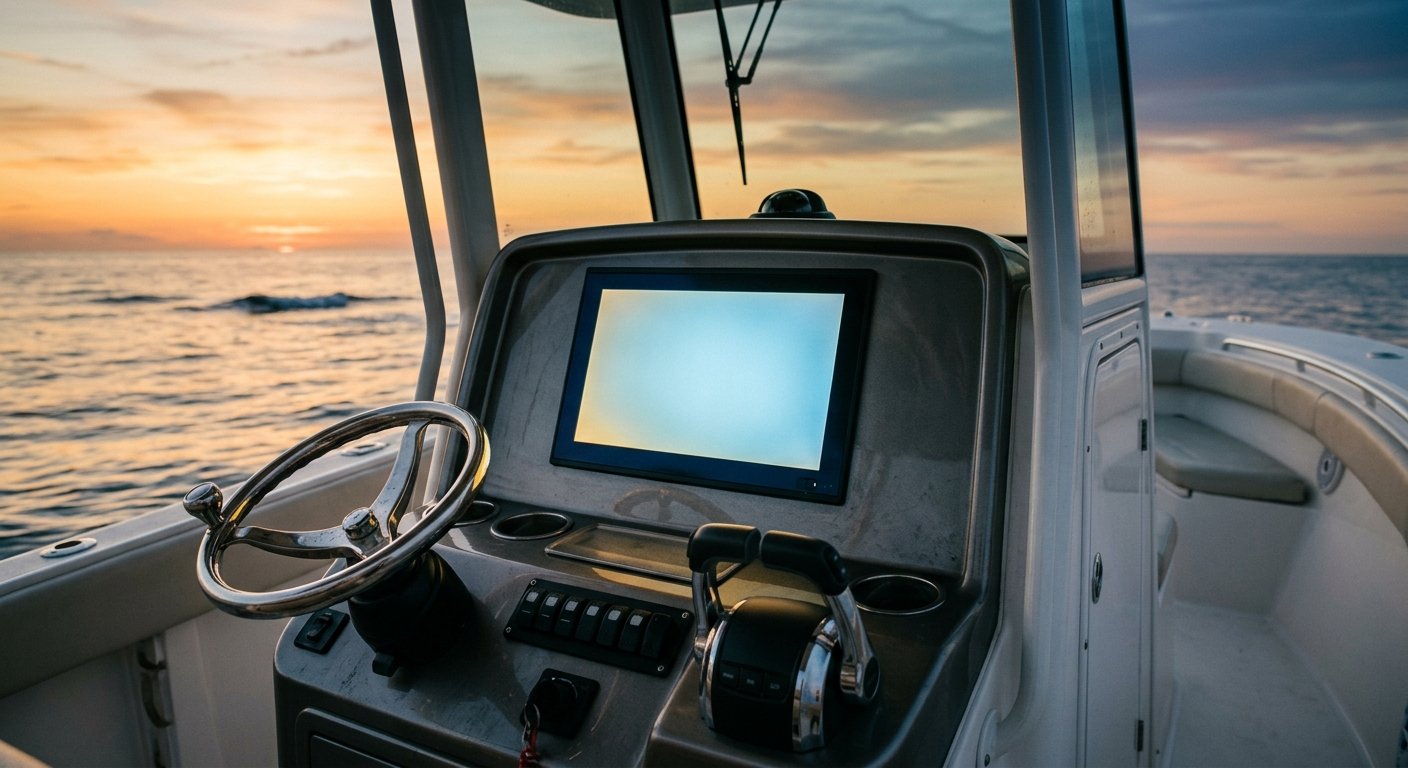
Single Display Chartplotter/Fishfinder: Installation for a standalone unit typically ranges from $350 to $750. This includes mounting the display, running power and transducer cables, connecting to existing NMEA 2000 networks, and ensuring proper waterproofing. Larger displays requiring structural reinforcement or custom mounting solutions increase costs.
Radar Systems: Expect $800 to $1,500 for radar installation. Open-array systems require substantial mounting infrastructure with proper cable runs from the mast or arch to the helm. Solid-state dome radars install more quickly but still demand precise mounting, proper grounding, and cable management through tight spaces.
Autopilot Systems: Autopilot installation represents one of the more complex projects, ranging from $1,200 to $3,500 depending on vessel size and steering system type. Hydraulic autopilot installations require significantly more time than tiller or cable-steered systems. The installation includes mounting the computer, compass, rudder feedback, hydraulic pump or drive unit, plus extensive system calibration.
VHF Radio: A basic VHF installation costs $250 to $500, including proper antenna mounting, cable routing, and connection to AIS or other communication systems. Adding features like DSC emergency functionality, AIS integration, or hailer systems increases complexity and cost.
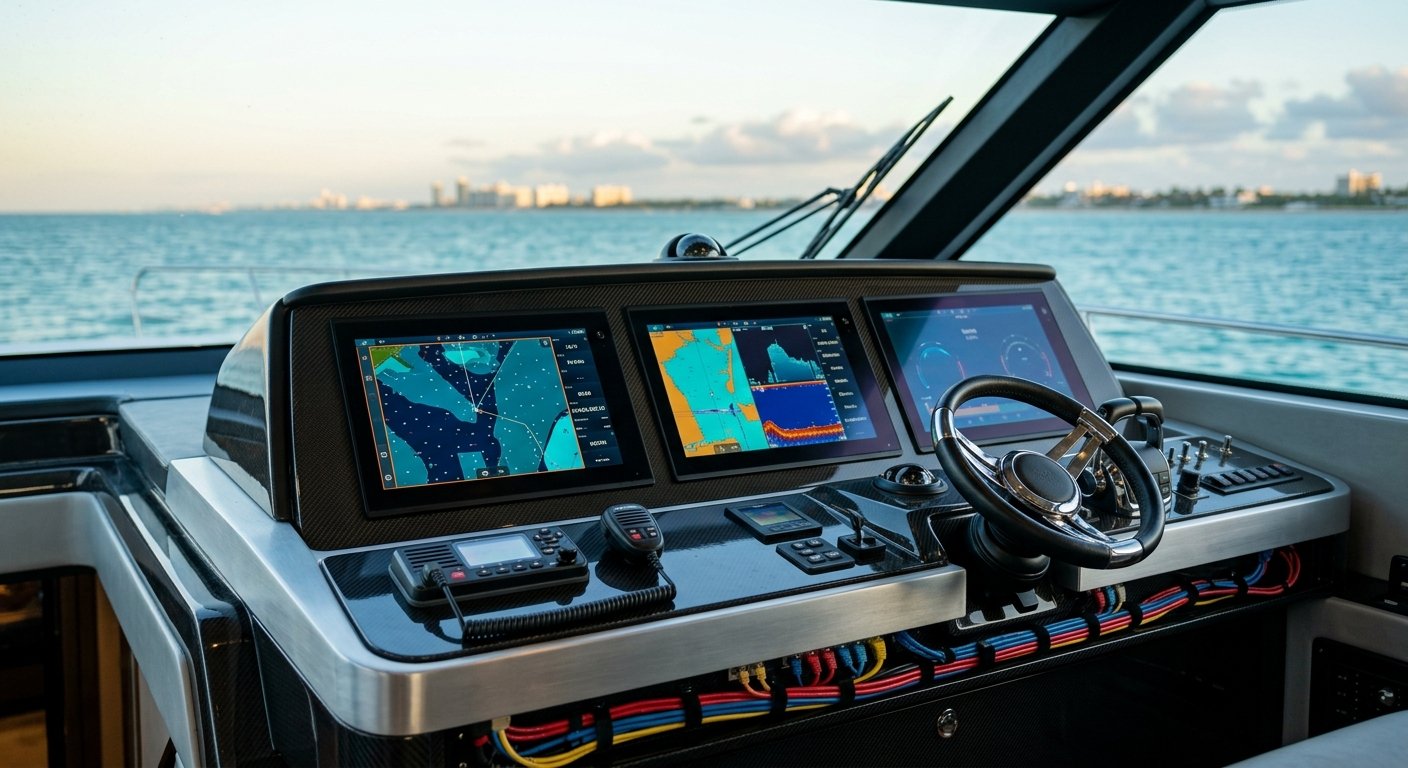
Complete Electronics Package: Full helm rebuilds with multiple displays, radar, autopilot, audio systems, and integrated networks typically start at $5,000 for smaller vessels and can exceed $25,000 for complex yacht installations requiring custom fabrication and extensive system integration.
What Influences Marine Electronics Installation Cost in South Florida
Several factors specific to South Florida boating conditions and vessel types significantly impact installation pricing.
Vessel Construction and Age
Older vessels present unique challenges. Original wiring may not meet current standards, existing pathways might be blocked or degraded, and outdated electrical systems may require upgrades before installing modern electronics. Running new cables through a 20-year-old express cruiser often takes twice as long as working on a new boat with accessible wire pathways.
Fiberglass work for mounting through-hulls, creating new cable passages, or reinforcing helm areas adds to project scope. Some installations require custom fabrication—especially on center consoles where clean wire routing maintains the vessel’s aesthetic while ensuring proper drainage.
System Integration Complexity
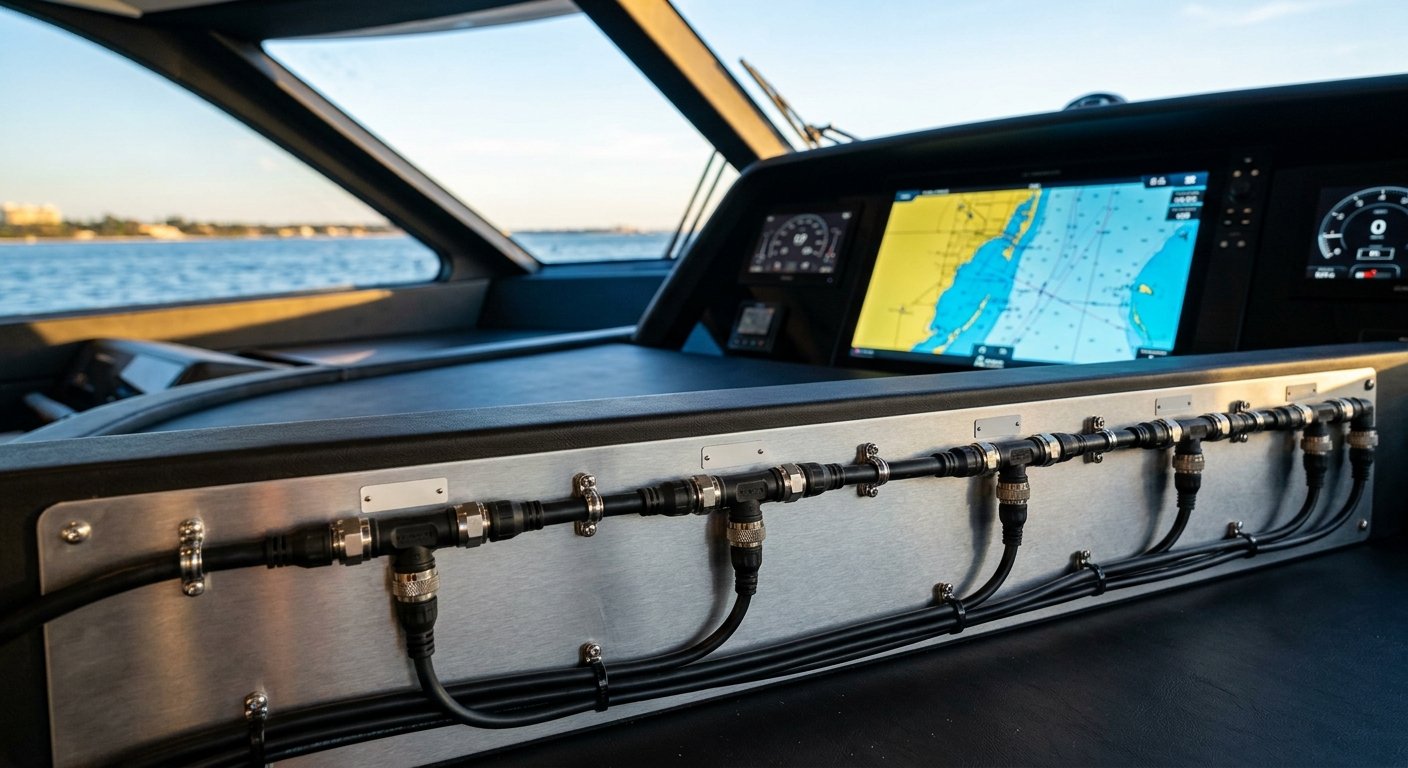
Modern marine electronics communicate through NMEA 2000 and NMEA 0183 networks, allowing displays, sensors, and systems to share data. However, integrating equipment from multiple manufacturers or connecting legacy devices to new networks requires extensive protocol knowledge and sometimes additional hardware.
A boat electronics installation near me search might find installers who can mount displays, but proper network configuration—setting up CAN bus termination, managing power distribution, configuring device addresses, and ensuring data flows correctly—separates professional installers from basic technicians.
Installation Environment
South Florida’s saltwater environment demands exceptional waterproofing and corrosion protection. Every connection, every cable penetration, and every mounting point must withstand spray, humidity, and occasional submersion. Professional marine electronics installer teams use marine-grade sealants, heat-shrink tubing, and proper IP-rated connections that weekend DIY jobs often overlook.
Working in extreme heat during summer installations slows progress and affects materials. Adhesives and sealants have specific temperature ranges for proper curing, sometimes requiring evening or early morning installation windows.
Accessibility and Space Constraints
Routing cables from the helm to a transducer mounted near the keel on a 40-foot express involves crawling through bilges, fishing wires through bulkheads, and working in spaces where you can barely move. These accessibility challenges increase labor time significantly.
Center consoles present their own challenges. Maintaining a clean, professional appearance while routing multiple cables through limited console space requires patience and experience. Cutting corners here results in wire bundles that trap water or block access to other systems.
Material Costs Beyond the Equipment
Professional installations include materials that protect your investment and ensure long-term reliability. These aren’t optional extras—they’re essential components of a proper installation.
Marine-grade cable and connectors: Tinned copper wire resists corrosion far better than standard copper. Quality marine cable costs three to four times more than automotive wire, but it’s specifically designed for the marine environment. Proper waterproof connectors add $5 to $25 per connection point.
Mounting hardware and backing plates: Through-bolting displays and equipment requires backing plates to distribute loads across fiberglass. Stainless steel hardware prevents corrosion but costs significantly more than basic fasteners.
Sealants and waterproofing materials: Professional installations use multiple sealant types—polyurethane for structural bonding, polysulfide for through-hulls, and silicone for certain electrical connections. Quality marine sealants cost $15 to $30 per tube.
Cable management and protection: Proper installations include chafe protection, wire loom, cable ties designed for marine use, and organization that allows future service. These materials add $100 to $500 depending on installation scope.
Why Professional Installation Costs Less Than DIY Problems
The upfront marine electronics installation cost seems significant until you consider the alternatives. Improperly installed electronics create cascading problems that cost far more to fix.
Incorrect NMEA network configuration can cause intermittent failures that are incredibly difficult to diagnose. One boat owner spent weeks troubleshooting random display freezes before discovering improper network termination—a five-minute fix for someone with proper training.
Water intrusion from poor waterproofing destroys electronics and creates corrosion that spreads throughout electrical systems. Replacing water-damaged equipment and repairing corroded connections easily exceeds the cost of proper initial installation.
Improper transducer installation affects fishfinder and depth sounder performance. Turbulence, air bubbles, or incorrect positioning render expensive electronics nearly useless. Relocating a through-hull transducer after the bottom paint is fresh costs thousands.
Insurance implications matter too. Some policies require professional installation for certain electronics. DIY installations that contribute to vessel damage or loss may affect coverage.
Getting Accurate Installation Quotes
Quality professional marine electronics installer companies provide detailed quotes after inspecting your vessel. Remote quotes based only on equipment lists rarely capture installation complexity accurately.
Prepare for the quote by documenting what electronics you currently have, what you want to add, and how you use your boat. An installer needs to know whether you’re crossing to the Bahamas regularly, fishing offshore beyond the Gulf Stream, or cruising the Intracoastal Waterway. Usage patterns influence equipment recommendations and installation priorities.
Ask potential installers about their certifications, manufacturer training, and warranty policies. NMEA certification indicates serious professional commitment. Factory training for specific brands ensures installers understand manufacturer requirements and have access to technical support.
Request itemized quotes separating labor, materials, and any vessel modifications. This transparency helps you understand where costs originate and makes comparing quotes more meaningful.
Timing Your Installation Project
Yacht electronics installation Miami and throughout South Florida experiences seasonal demand fluctuations. Winter brings snowbirds and yacht owners preparing for season, creating 4-8 week backlogs at quality shops.
Summer offers advantages beyond faster scheduling. Many manufacturers release new products in spring, making previous-generation equipment available at substantial discounts. The savings often offset installation costs entirely.
Hurricane season creates its own installation surge. Boat owners replacing damaged electronics or upgrading after experiencing communication failures during storms flood installers with work. Planning upgrades well before hurricane season ensures your vessel is properly equipped when weather threatens.
Maximizing Your Installation Investment
Several strategies help boat owners get optimal value from their marine electronics installation south florida projects.
Bundle installations: Installing multiple systems simultaneously reduces overall labor costs. The installer only needs to access wire pathways once, and network configuration happens in a single session.
Plan for future expansion: Running extra cables or installing larger network backbones during initial installation costs little now but saves significantly when adding equipment later.
Prioritize critical systems: If budget constraints exist, install essential safety equipment first—VHF radio, GPS/chartplotter, and depth sounder. Add convenience features like radar, autopilot, or entertainment systems in subsequent phases.
Consider equipment lifecycle: Electronics evolve rapidly. Installing mid-range equipment professionally often provides better long-term value than top-tier equipment installed marginally.
Red Flags in Installation Quotes
Unusually low quotes deserve scrutiny. Professional installation requires time, expertise, and quality materials. Quotes significantly below market rates often indicate corners being cut.
Be cautious of installers unwilling to provide detailed quotes or resistant to answering technical questions about installation methods. Legitimate professionals explain their approach and help customers understand what they’re paying for.
Installers who don’t ask questions about your boat usage, current systems, or installation preferences may not gather information needed for proper system design.
Frequently Asked Questions
How long does typical marine electronics installation take?
Basic single-display installations often complete in 4-6 hours. Complex multi-display systems with radar, autopilot, and network integration typically require 2-5 days depending on vessel size and accessibility. Custom fabrication or extensive electrical system upgrades extend timelines further.
Should I buy equipment online or through my installer?
Many professional installers offer competitive equipment pricing while providing warranty advantages and ensuring compatibility. Some manufacturers void warranties on equipment not purchased through authorized dealers. Discuss options with your installer—equipment savings sometimes disappear if installation complications arise from incompatible or incorrectly specified hardware.
Do I need to upgrade my boat’s electrical system?
Modern electronics draw significant power, especially multiple large displays and radar systems. Older vessels may need alternator upgrades, additional battery capacity, or improved distribution panels. A professional assessment identifies whether your electrical system supports planned electronics.
What warranty comes with professional installation?
Reputable installers warranty their labor typically for one year, covering installation workmanship and materials they provide. Equipment carries manufacturer warranties separately. Always clarify warranty terms before starting work.
Protect Your Investment With Professional Installation
Understanding marine electronics installation cost helps South Florida boat owners make informed decisions about equipment purchases and installation planning. While professional installation represents a significant investment beyond equipment costs, it ensures your electronics function properly, withstand harsh marine conditions, and provide reliable service when you need them most—whether navigating challenging inlets, crossing to the Bahamas, or calling for help during emergencies.
Marine Electronics Inc. provides professional marine electronics installation throughout South Florida with NMEA-certified technicians and factory training across major equipment manufacturers. Contact us at (772) 634-6055 or visit our Stuart facility at 7892 SW Jack James Dr, Stuart, FL, 34997 to discuss your installation project and receive a detailed quote based on your specific vessel and requirements.