Modern yacht ownership extends far beyond navigation and propulsion systems. Today’s sophisticated vessels demand integrated control over lighting, climate, entertainment, security, and communication systems—all accessible from a single interface. Crestron marine automation systems deliver this unified control experience, transforming how boat owners interact with their vessels while significantly enhancing safety, convenience, and vessel management capabilities throughout South Florida waters.
Understanding Crestron Marine Automation Systems
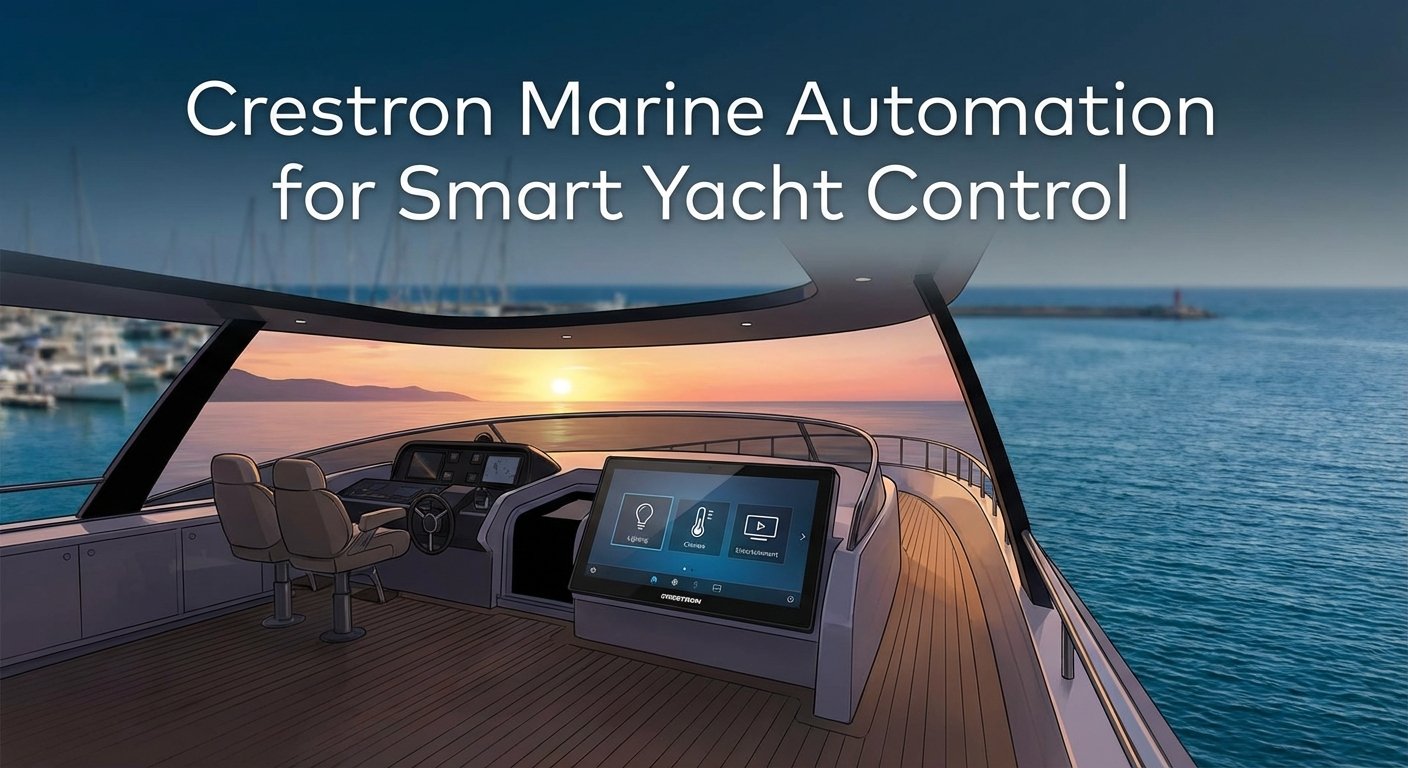
Crestron marine automation represents the pinnacle of yacht control technology, integrating disparate onboard systems into a cohesive, user-friendly platform. Unlike basic marine electronics that operate independently, a yacht automation system creates a centralized command structure where lighting, HVAC, entertainment, shading, security cameras, and even monitoring systems communicate through a single network.
The architecture relies on dedicated marine-grade processors that withstand the harsh saltwater environment characteristic of South Florida boating. These processors connect to touchscreen interfaces, wireless tablets, and smartphones, allowing control from the helm, salon, staterooms, or remotely via cellular connection. For yacht owners navigating from Stuart to the Bahamas or fishing offshore in the Gulf Stream, this connectivity means monitoring and controlling vessel systems regardless of physical location.
Marine-Grade Components and Construction
Crestron’s marine product line undergoes rigorous testing for saltwater resistance, vibration tolerance, and electromagnetic compatibility. Components feature conformal coating on circuit boards, providing protection against the corrosive marine atmosphere that deteriorates standard electronics. Touchscreens carry IP ratings suitable for exposed helm stations, while processors designed for engine room installation withstand temperature extremes and constant vibration.
The distinction between residential and marine automation systems proves critical in South Florida’s demanding environment. Standard home automation equipment fails rapidly when exposed to salt air, humidity, and temperature fluctuations experienced aboard vessels. Marine electronics installation requires components specifically engineered for these conditions, with proper installation techniques that include appropriate wire management, sealed connections, and strategic placement away from water intrusion points.
Key Features of Yacht Automation Systems
Integrated Lighting Control
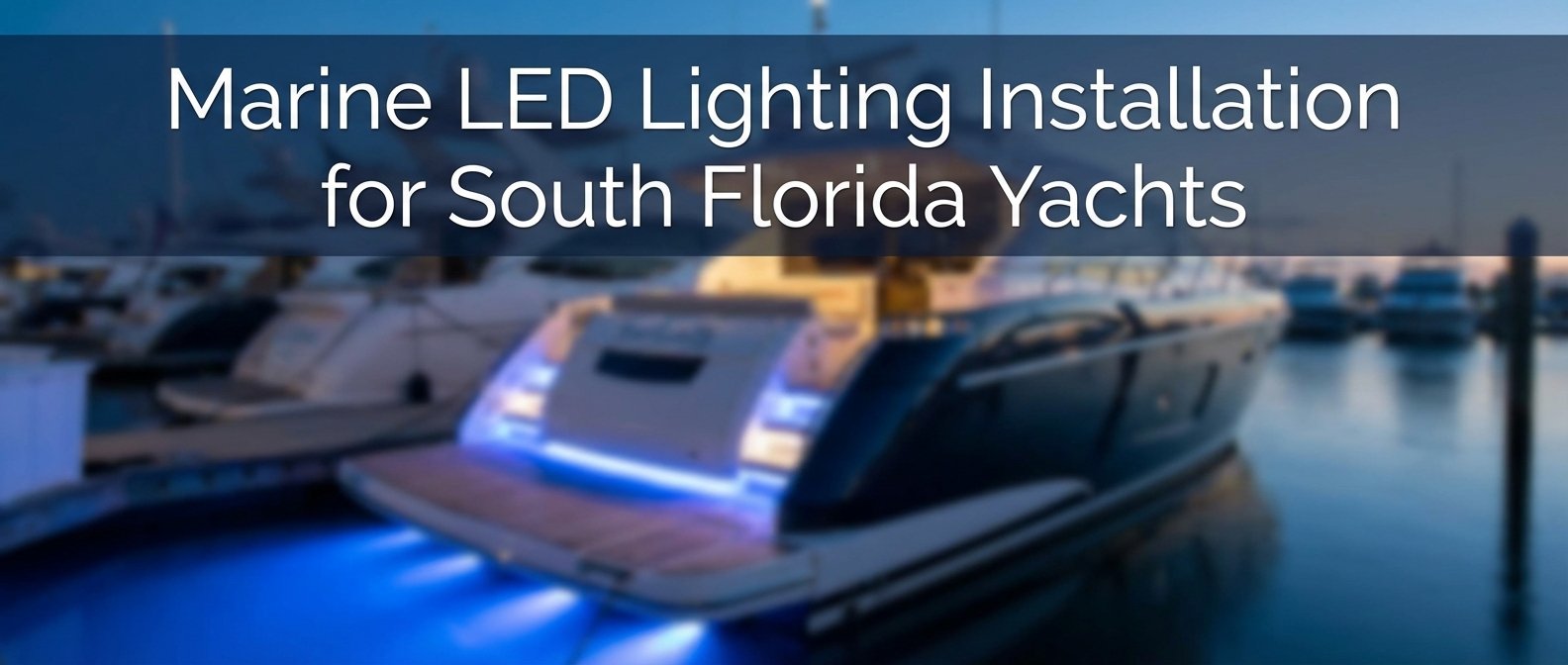
Smart yacht control systems manage interior and exterior lighting through programmable scenes. A “departure” scene might illuminate dock lights, navigation lights, and engine room lighting simultaneously. An “anchor” scene dims salon lighting while activating underwater lights and cockpit accent lighting. This integration eliminates the need to locate individual switches throughout the vessel, particularly valuable during nighttime operations or when shorthanded.
Advanced systems integrate with NMEA 2000 networks, automatically adjusting lighting based on navigation status. When transitioning from daylight to darkness, the system gradually dims interior lights to preserve night vision—a safety consideration for anyone running St. Lucie Inlet at dusk or navigating the Intracoastal after sunset.
Climate Control Integration
Crestron marine automation interfaces with air conditioning and heating systems, creating zone-based temperature management. Owners pre-cool their vessel before arrival, ensuring comfortable conditions despite South Florida’s intense heat. The system monitors and adjusts temperature, humidity, and airflow based on occupancy, weather conditions, and user preferences.
For vessels stored at marinas during summer months, remote climate monitoring prevents mold and mildew growth that plagues closed vessels in tropical climates. The system sends alerts if cabin temperature or humidity exceeds predetermined thresholds, allowing corrective action before damage occurs.
Entertainment System Management
Modern yachts feature multiple entertainment zones—salon, cockpit, flybridge, staterooms—each requiring audio and video distribution. Yacht electronics installation that incorporates Crestron automation delivers seamless media distribution, allowing different content in each zone or synchronized audio throughout the vessel for entertaining.
The interface provides intuitive control over complex systems, eliminating stacks of remote controls and complicated source-switching procedures. Guests select their preferred music or video content from touchscreens without technical knowledge of the underlying distribution architecture.
Security and Monitoring
Integration of security cameras, motion sensors, and bilge alarms into the automation platform creates comprehensive vessel monitoring. Owners receive instant notifications if unauthorized boarding occurs, bilge water rises, or temperature anomalies develop—critical for boats stored at South Florida marinas during hurricane season or extended absences.
Camera feeds display directly on automation touchscreens, eliminating separate monitoring systems. When departing the dock, captains view camera feeds showing lines, fenders, and surrounding traffic from the helm station, enhancing situational awareness in congested marinas from Stuart to Fort Lauderdale.
Integration with Marine Electronics Networks
Professional marine electronics installation integrates Crestron automation with existing NMEA 2000 and NMEA OneNet systems. This connectivity allows the automation platform to display navigation data, engine parameters, tank levels, and system status alongside automation controls. The unified interface reduces cognitive load on operators, presenting all critical information through a consistent, logical layout.
For instance, the system displays GPS position, wind speed, and anchor drift data while simultaneously providing control over anchor lights, windlass operation, and bilge pump monitoring. This integration proves particularly valuable during anchoring in challenging conditions—such as strong Gulf Stream currents off South Florida’s coast—where monitoring multiple systems simultaneously enhances safety and operational efficiency.
Compatibility Considerations
Successful yacht automation system implementation requires careful consideration of existing equipment and future expansion plans. NMEA-certified technicians evaluate current installations, identifying integration opportunities and potential conflicts. Some legacy equipment lacks modern communication protocols, requiring interface modules or replacement for full integration.
Proper network design prevents bandwidth limitations and communication conflicts that degrade system performance. This technical expertise separates professional marine electronics Stuart FL installations from amateur attempts that result in unreliable operation and frustrating user experiences.
Practical Applications for South Florida Boaters
Offshore Fishing Operations
Center console and sport fishing yacht owners benefit from automation systems that manage cockpit lighting, livewells, bait tank circulation, and underwater lights through programmable scenes. A “fishing” mode activates appropriate systems while dimming unnecessary lighting that interferes with night operations. Integration with rod holders, outriggers, and teaser systems creates efficient workflows for tournament fishing or recreational offshore excursions.
Bahamas Cruising
Extended cruising to the Bahamas demands reliable systems that operate efficiently while conserving power. Yacht automation systems monitor battery state, solar charging, and generator run time, optimizing energy consumption. Automated lighting scenes reduce power consumption during anchor, while climate control systems balance comfort with available electrical capacity.
Remote monitoring provides peace of mind when exploring ashore, with instant alerts if anchor drag occurs or onboard systems experience anomalies. This connectivity proves invaluable in remote Bahamian anchorages where returning to the vessel requires significant time and effort.
Hurricane Preparation
South Florida yacht owners face annual hurricane preparedness requirements. Automation systems facilitate rapid storm preparation through programmable shutdown sequences. A “hurricane mode” secures all openings, confirms bilge pump operation, activates continuous monitoring, and provides remote status updates as storms approach.
Professional Installation Requirements
Crestron marine automation demands expertise beyond basic electrical knowledge. Certified installers understand marine wiring standards, properly sized conductors, appropriate circuit protection, and correct connection techniques that prevent corrosion and failure. They recognize the importance of wire routing that avoids chafe points, heat sources, and areas subject to water intrusion.
The programming phase requires equal expertise, creating intuitive interfaces that match each owner’s operational preferences. Professional boat electronics Fort Lauderdale installations involve extensive consultation to understand usage patterns, priority systems, and desired functionality. The resulting interface reflects individual requirements rather than generic templates that frustrate users with unnecessary complexity or missing functions.
Factory Training and Certification
Qualified marine electronics installation technicians maintain current Crestron certifications and factory training. This ongoing education ensures familiarity with latest products, programming techniques, and integration capabilities. The marine electronics industry evolves rapidly, with new protocols, updated firmware, and enhanced features requiring continuous learning.
Installation shops without proper credentials often create systems with limited functionality, poor reliability, and no upgrade path. When problems arise—as inevitably occurs with complex electronic systems—uncertified installers lack manufacturer support and technical resources necessary for proper resolution.
Cost Considerations and Value Proposition
Yacht automation system investment varies based on vessel size, desired functionality, and integration complexity. A basic system controlling lighting and climate in a 35-foot express cruiser represents significantly less investment than comprehensive automation aboard a 100-foot motor yacht with multiple staterooms, entertainment zones, and sophisticated monitoring requirements.
The value extends beyond convenience. Integrated monitoring prevents costly damage through early problem detection. Energy management reduces generator run time and fuel consumption. Enhanced security protects substantial vessel investments. For many owners, the ability to monitor and control their yacht remotely provides peace of mind worth far more than the system cost.
Maintenance and System Support
Professional installations include thorough owner training, ensuring competent operation of all system features. Comprehensive documentation details system architecture, component locations, and programming logic—essential information for future service or expansion.
Regular maintenance visits verify system operation, update firmware, and address minor issues before they become major problems. South Florida’s harsh marine environment demands periodic inspection of connections, processors, and interface devices to maintain long-term reliability.
Frequently Asked Questions
Can Crestron automation be added to existing boats?
Yes, yacht automation systems install on existing vessels of virtually any size. The retrofit process involves assessing current electrical systems, planning component placement, and integrating with existing marine electronics. Experienced installers minimize invasive modifications while delivering full functionality.
How reliable are marine automation systems in saltwater environments?
Marine-grade Crestron components withstand saltwater exposure when properly installed. Conformal coating, sealed enclosures, and appropriate wire management techniques ensure long-term reliability. Annual maintenance inspections identify potential issues before failure occurs.
Can I control my yacht systems from my smartphone?
Modern Crestron marine automation includes smartphone and tablet apps providing full system control via WiFi or cellular connection. Owners monitor cameras, adjust climate, control lighting, and receive system alerts from anywhere with internet connectivity.
What happens if the automation system fails?
Properly designed systems retain manual control capability for critical functions. If the automation network experiences problems, essential systems like navigation lights, bilge pumps, and engine controls remain operational through traditional switches and circuits. Non-critical convenience features may become unavailable until system repair.
How long does installation take?
Installation duration depends on vessel size and system complexity. A basic system on a 40-foot boat might require one week, while comprehensive automation on large yachts can take several weeks. Professional installers provide realistic timelines during the planning phase and work efficiently to minimize vessel downtime.
Experience Smart Yacht Control in South Florida
Crestron marine automation transforms yacht ownership by integrating disparate systems into intuitive, centralized control. The technology enhances safety, improves efficiency, and increases enjoyment aboard vessels operating in South Florida’s challenging marine environment. Professional installation ensures reliable operation, proper integration with existing systems, and long-term value from this substantial investment.
Marine Electronics, Inc. provides factory-trained Crestron marine automation design and installation services for yacht owners throughout South Florida. Our NMEA-certified technicians deliver professionally engineered systems tailored to individual operational requirements and vessel specifications. Contact us at (772) 634-6055 or visit our Stuart facility at 7892 SW Jack James Dr, Stuart, FL, 34997 to discuss how smart yacht control can enhance your boating experience.