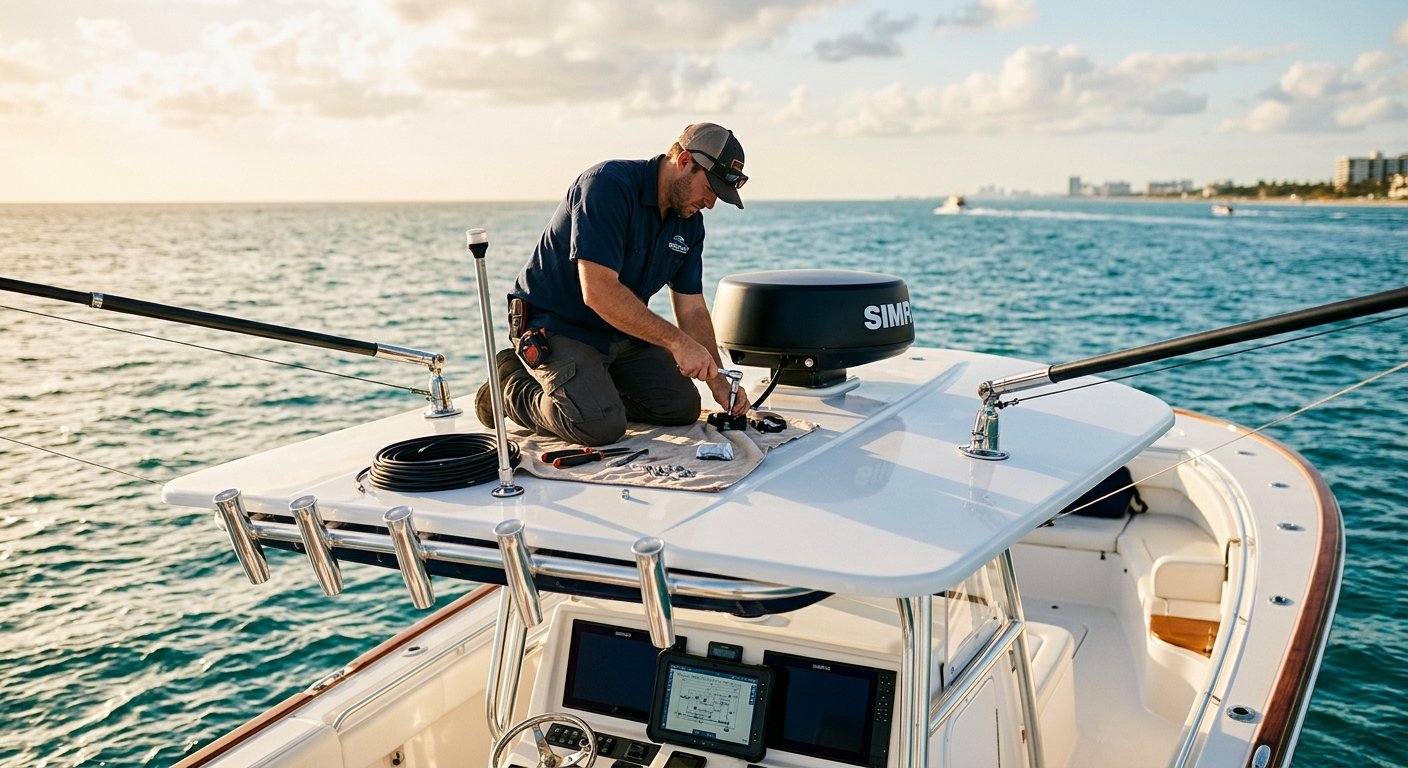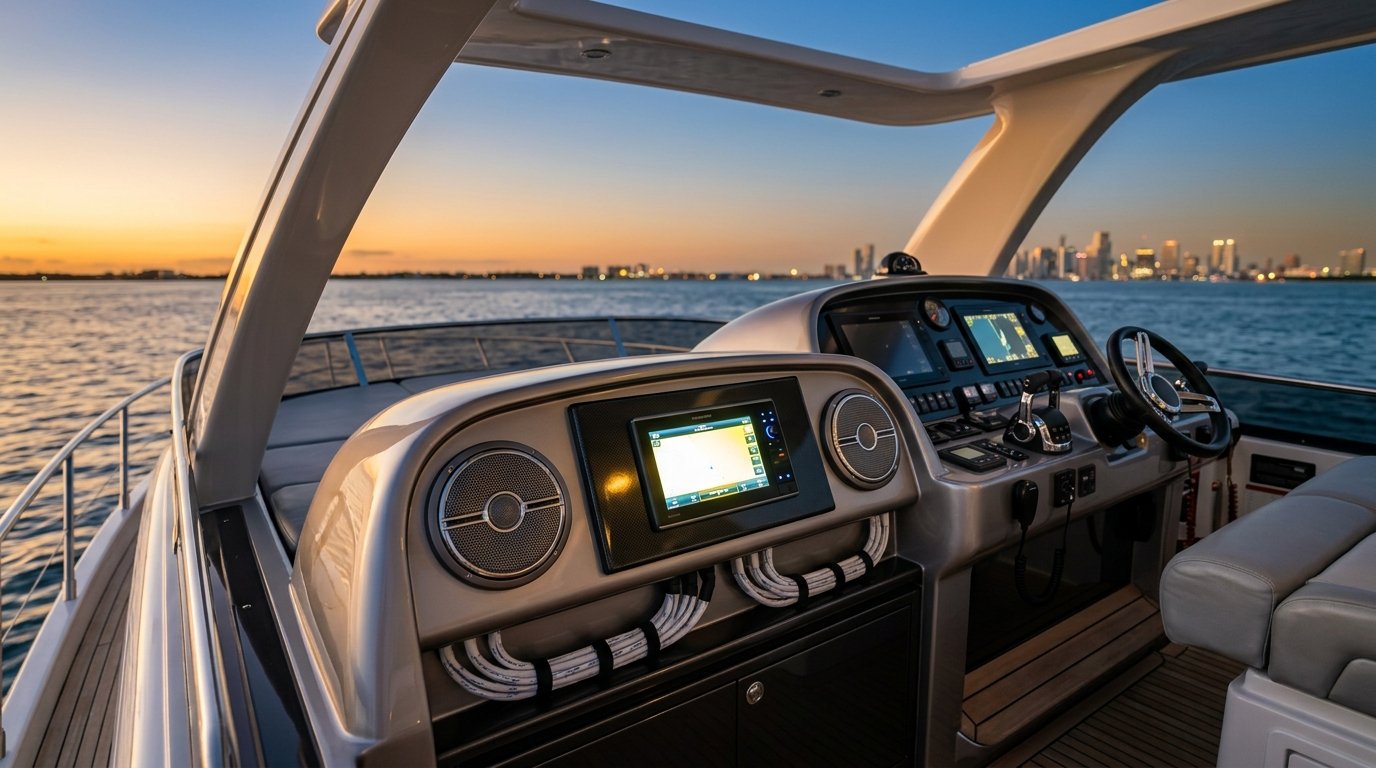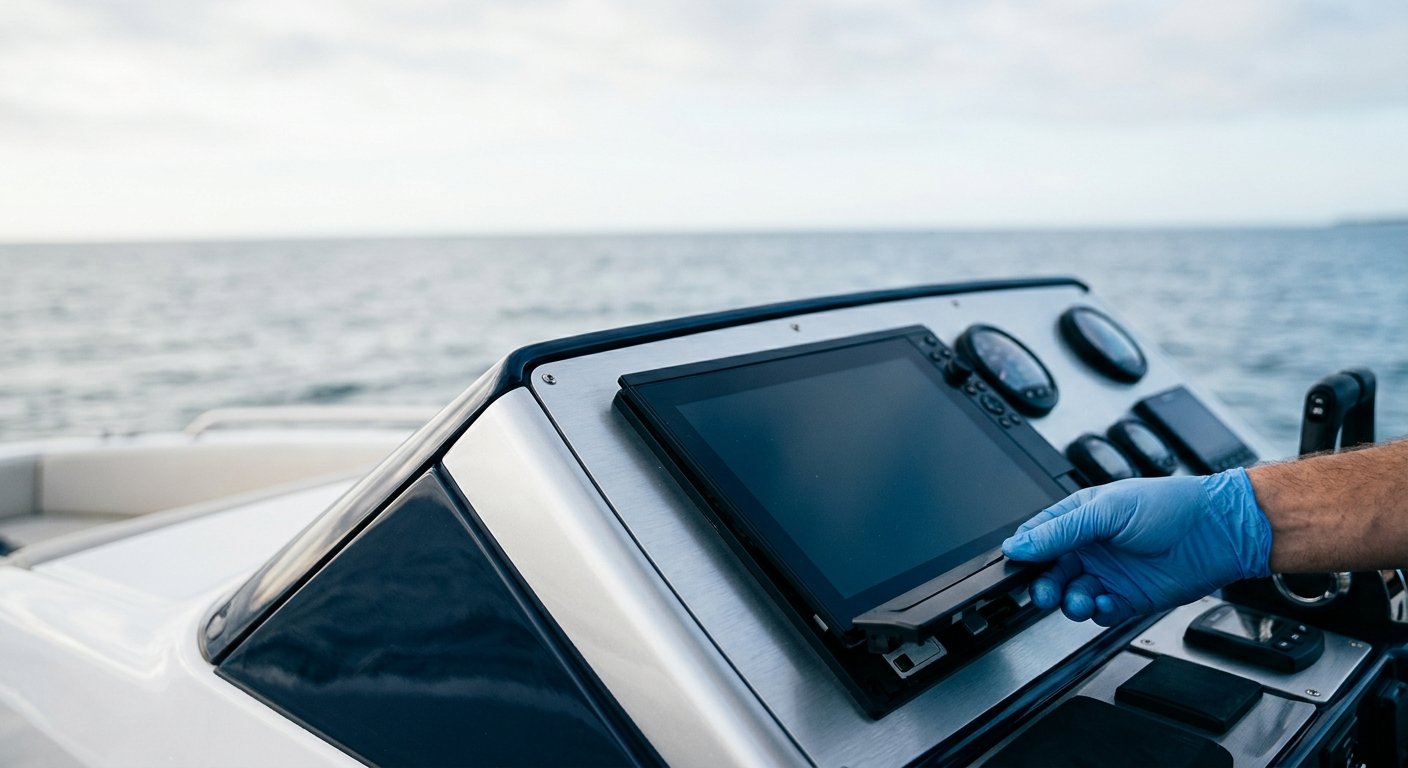
A professional boat radar installation involves a site assessment, hardware selection, mounting, cable routing, and network integration—typically completed in one to two days. For South Florida boaters running offshore or crossing to the Bahamas, radar is not optional safety equipment; it is essential. Understanding the process helps you plan your project, ask the right questions, and protect your investment from the start.
- Radar selection depends on vessel size, range requirements, and whether you need open-array or dome hardware.
- Proper cable routing and antenna placement are the two most common installation mistakes that degrade performance.
- NMEA 2000 network integration allows radar data to share GPS, AIS, and chart plotter information across the helm.
- Professional installation protects your warranty and ensures compliance with FCC and USCG equipment guidelines.
- South Florida offshore and Bahamas crossing conditions demand higher performance radar than typical coastal use.
Why Radar Matters for South Florida Boaters
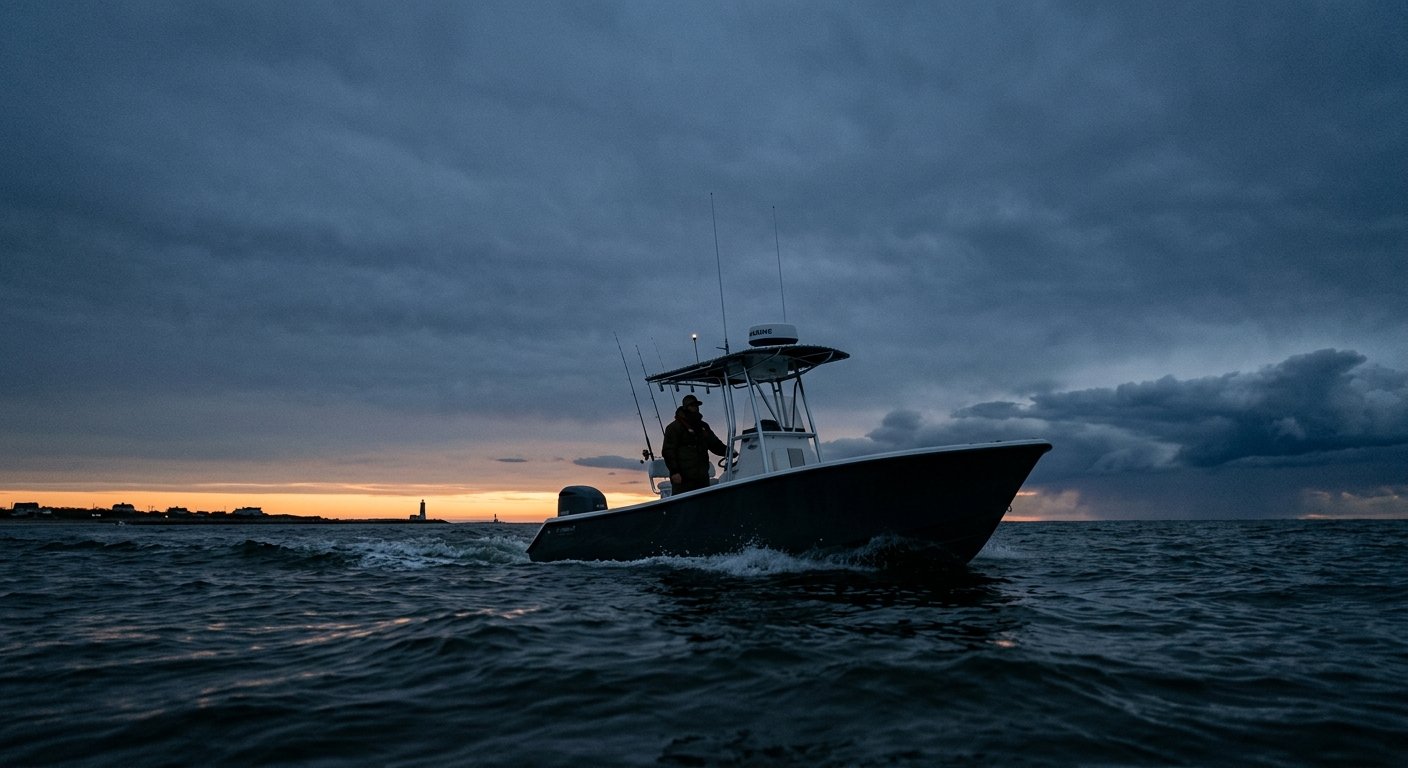
The waters between Stuart and Fort Lauderdale offer some of the most varied boating conditions on the East Coast. Afternoon squalls build without warning over the Gulf Stream. Heavy commercial traffic moves through the Port of Palm Beach and Port Everglades. Pre-dawn departures for offshore fishing near the St. Lucie Inlet or Jupiter Inlet put vessels in open water before full visibility. In each of these scenarios, marine radar is the single most reliable tool for detecting hazards that neither eyes nor GPS can reveal.
The U.S. Coast Guard Navigation Center identifies radar as a critical component of situational awareness for recreational and commercial vessels alike. For boats staging Bahamas crossings from Riviera Beach or Lake Worth Inlet, a reliable radar system is the difference between a confident overnight passage and a genuinely dangerous one.
Radar is the single most reliable tool for detecting hazards that neither eyes nor GPS can reveal.
Choosing the Right Radar System for Your Vessel

Radar hardware falls into two primary categories: dome (radome) units and open-array antennas. The choice is not simply cosmetic—it affects range, resolution, and where the antenna can realistically be mounted on your specific hull.
| Factor | Dome Radar | Open-Array Radar |
|---|---|---|
| Best vessel size | 25–45 ft center consoles and express boats | 45 ft and above, sportfish, yachts |
| Typical range | Up to 24–48 nautical miles | Up to 72–96 nautical miles |
| Target resolution | Good for coastal/nearshore use | Superior for offshore, squall detection |
| Mounting flexibility | T-top, hardtop, radar arch | Radar arch, mast, dedicated pole mount |
| Power draw | Lower, suitable for smaller battery banks | Higher, suits larger electrical systems |
Pulse compression and solid-state (broadband) radar technologies have also changed the selection landscape significantly. Solid-state units draw less power and excel at close-range target discrimination—ideal for navigating marina channels near Roosevelt Bridge or the Intracoastal south of Hobe Sound. Traditional magnetron radar still delivers stronger performance at long range for true offshore work. A qualified installer will assess your actual usage profile before recommending hardware, not simply sell the highest-margin unit on the shelf.
The Installation Process: Step by Step

Professional marine radar installation follows a structured sequence. Knowing what each step involves helps you evaluate the quality of any installer’s work and set realistic expectations for your project timeline.
Vessel Assessment and Site Survey
An NMEA-certified technician evaluates your helm layout, existing electronics, power system, and available mounting locations. This determines antenna placement for the clearest 360-degree sweep and identifies potential interference sources such as VHF antennas and outriggers.
Hardware Selection and Procurement
Based on your vessel size, intended use, and budget, the technician recommends a specific radar system. Factory-trained installers have direct access to manufacturer specifications and can match the radar to your existing chart plotter brand for seamless integration.
Antenna Mounting
The antenna is mounted using marine-grade stainless hardware and sealed against saltwater intrusion. Mounting height and position are critical—the antenna must clear crew and fishing tackle swing arcs while maintaining an unobstructed transmit path. Improper mounting voids most manufacturer warranties.
Cable Routing and Power Connection
Radar cables run through conduit or dedicated wire chases, separated from VHF and DC power runs to prevent interference. Connections are made with tinned marine-grade wire and sealed with heat-shrink adhesive connectors. Every penetration through a bulkhead or deck is properly sealed.
NMEA 2000 Network Integration
The radar is integrated into the vessel’s NMEA 2000 network, allowing GPS position overlay, AIS target display, and chart plotter synchronization. This step requires certified network knowledge—incorrect termination or backbone configuration creates data conflicts across all connected instruments.
Sea Trial and Calibration
The system is tested underway, not just dockside. Target acquisition, range ring accuracy, and overlay alignment with the chart plotter are all verified. Gain, sea clutter, and rain clutter controls are adjusted for South Florida offshore conditions.
Technical Details That Protect Your Investment
The quality of a marine radar installation lives in details that are invisible from the helm but critical to long-term reliability. Saltwater exposure accelerates corrosion at every connection point. Properly specified IP-rated connectors, tinned copper wire, and dielectric grease at ground connections are not optional upgrades—they are minimum standards for any South Florida marine electronics installation.
Radar emits non-ionizing radiation that can be harmful at close range. The FCC provides RF safety guidelines for marine radar that govern minimum safe distances from operating antennas. A professional installer ensures your antenna placement meets these requirements and installs a transmit lockout when crew are on deck near the antenna.
NMEA 2000 network integration deserves specific attention. The NMEA 2000 standard governs how marine electronics communicate over a shared backbone. Proper termination resistors, certified drop cables, and correct power injection keep the network stable as you add devices. Installers who understand this standard eliminate the data dropouts and screen freezes that plague improperly built systems—especially problematic when you are 40 miles offshore and relying on integrated radar and AIS data to avoid traffic.
If your vessel already has a chart plotter, radar, and AIS, request that your installer verify the NMEA 2000 backbone termination during any new installation. Cumulative wiring errors from previous work are one of the most common sources of intermittent electronic failures on South Florida boats.
For complete marine electronics integration beyond radar alone, MEI’s marine electronics installation services cover full helm builds, network architecture, and multi-system commissioning.
Common Mistakes to Avoid
Even experienced boat owners make assumptions about radar installation that cause problems later. The three most consistent issues MEI’s technicians encounter on vessels transferred from other installers are:
- Antenna mounted too low: Obstructions from T-top legs, outriggers, or electronics arches create blind sectors in the radar sweep. A blind sector to port or starboard in heavy traffic is a genuine safety hazard.
- Undersized power supply: Radar draws significant current during startup. An undersized fuse or shared circuit causes brownouts that corrupt the display processor over time.
- No sea trial performed: A radar that reads correctly at the dock may have gain miscalibration that causes false returns or missed targets at sea. Offshore calibration is non-negotiable.
South Florida’s combination of summer squalls, heavy commercial shipping lanes, and long offshore passages creates real performance demands. Radar that works adequately in the harbor needs to perform under those specific conditions as well. Complement your radar installation with properly installed navigation lighting—MEI’s LED lighting installation services ensure your vessel meets visibility requirements for offshore and nighttime operation.
Frequently Asked Questions
How long does a boat radar installation take?
Most radar installations on center consoles and express boats are completed in one full day. Larger sportfish vessels and yachts requiring new cable runs, network integration, and antenna arch fabrication typically take two days. Your installer should provide a clear timeline during the initial assessment.
Does radar require an FCC license to operate?
Marine radar operated on U.S. recreational vessels does not require a separate FCC license for domestic waters, but vessels leaving U.S. waters—including Bahamas crossings—must carry an FCC Ship Station License. Your VHF radio installation may already cover this requirement. Confirm with your installer or the FCC before an international departure.
Can radar be integrated with my existing chart plotter?
In most cases, yes—particularly when both devices share the same manufacturer’s network protocol or connect via NMEA 2000. Cross-brand integration is also possible on many current systems. A factory-trained installer will verify compatibility before hardware is ordered, preventing costly mismatches.
What is the difference between dome and open-array radar for offshore fishing?
Open-array antennas provide finer beam width and superior long-range performance, making them better suited for detecting Gulf Stream squalls at distance during offshore runs. Dome units are adequate for most nearshore and Intracoastal use and fit easily on T-tops. For serious offshore work south of Palm Beach, most experienced captains prefer open-array.
Will adding radar interfere with my VHF or other antennas?
Radar can cause interference with VHF, GPS, and other antennas if mounted too close or wired incorrectly. Proper antenna placement planning and cable separation during installation eliminates virtually all interference issues. This is one of the primary reasons a professional site survey precedes any hardware purchase.
Planning Your Radar Installation in South Florida
Whether you operate a 25-foot center console out of Jupiter Inlet or a 60-foot sportfish staged at Fort Lauderdale, a properly specified and installed radar system changes what is possible on the water. It extends your operational hours, improves safety in reduced visibility, and integrates with the rest of your electronics to give you a complete picture at the helm.
MEI serves vessel owners from Stuart to Fort Lauderdale, including Palm Beach, West Palm Beach, Jupiter, and Hobe Sound. For a full overview of how radar fits into a complete helm electronics system, visit our marine electronics installation page. For vessels where audio is also part of the upgrade, our boat speakers installation services can be coordinated during the same project visit.
Schedule Your Radar Installation Consultation
Contact MEI’s NMEA-certified team at our Stuart facility to discuss your vessel, your usage profile, and the right radar system for South Florida conditions.

About Marine Electronics Installers
Marine Electronics Installers (MEI) provides professional marine electronics installation and service for boat and yacht owners throughout South Florida, from Stuart to Fort Lauderdale. Specializing in NMEA-certified installations for vessels ranging from 25-foot center consoles to mega yachts, MEI combines factory training and technical expertise with deep knowledge of South Florida boating conditions—including offshore fishing, Bahamas crossings, and hurricane preparation. The company takes a consultative, educational approach that emphasizes safety, reliability, and proper installation techniques to protect substantial vessel investments. Visit marineelectronicinstallers.com →