Boat theft costs U.S. vessel owners an estimated $94 million annually, according to the FBI’s National Crime Information Center. In South Florida’s busy marinas—from Manatee Pocket in Stuart to the crowded docks along Fort Lauderdale’s New River—that statistic isn’t abstract. Outboard engines disappear overnight. Electronics get stripped from cockpits. Vandalism happens when nobody’s watching. A properly installed marine security camera system changes that equation entirely, providing continuous monitoring whether you’re aboard, at home, or crossing to the Bahamas.
This guide covers everything South Florida boat owners need to understand about marine security cameras: what specifications actually matter, how modern systems integrate with onboard electronics, and why professional installation is critical to long-term reliability in saltwater environments.
Why Marine Security Cameras Are Different from Residential Cameras
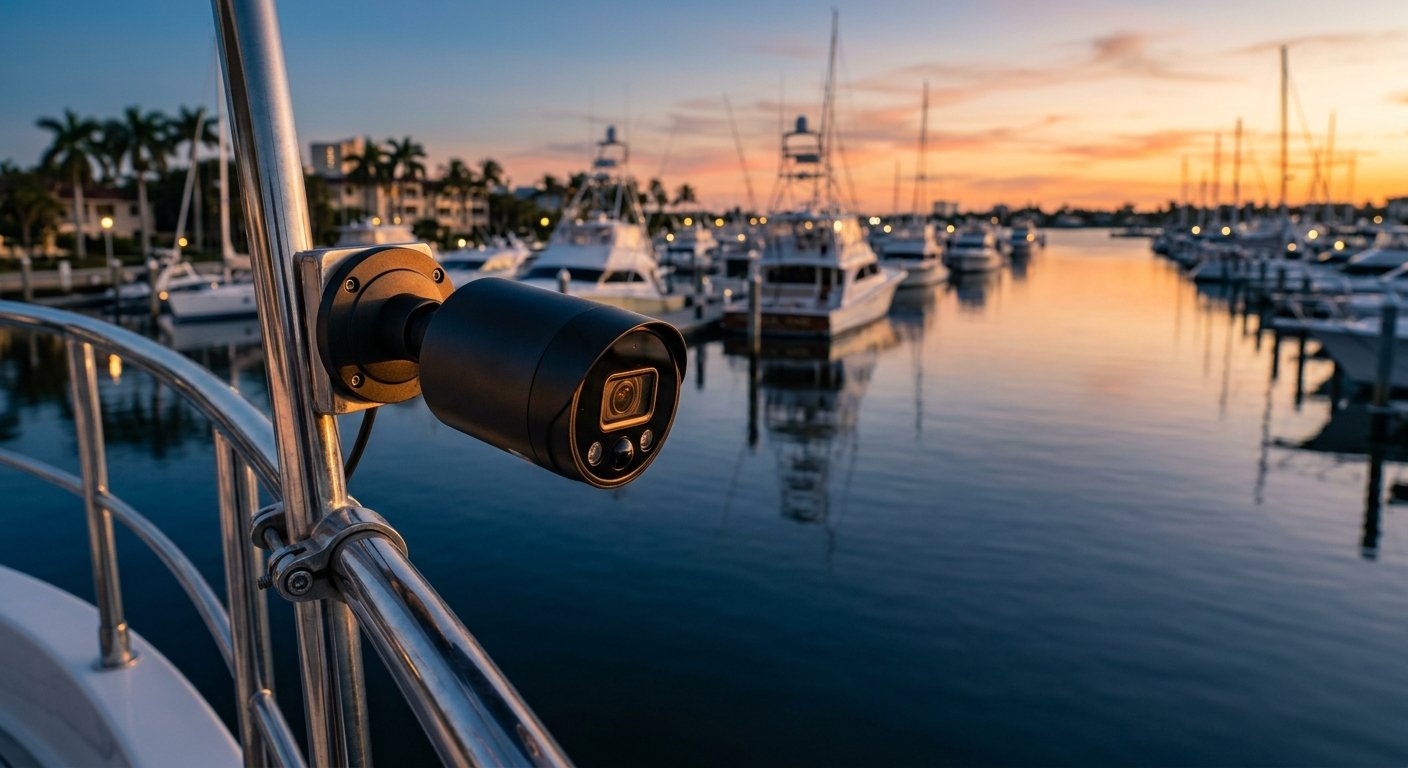
The biggest mistake boat owners make is purchasing consumer-grade security cameras and expecting them to survive the marine environment. A camera mounted in your garage faces nothing like the conditions on a vessel running offshore past the Gulf Stream, or sitting in a Fort Lauderdale marina exposed to salt air, spray, and intense South Florida sun.
Genuine marine-rated cameras are built to fundamentally different standards:
- IP67 or IP68 waterproof ratings — Full submersion resistance, not just splash protection
- 316-grade stainless steel or marine-grade aluminum housings — Resists saltwater corrosion far beyond consumer camera materials
- UV-stabilized optical components — Maintains image clarity under constant tropical sun exposure
- Vibration-resistant mounting systems — Handles rough offshore conditions without loosening or shifting
- Wide operating temperature ranges — Performs reliably whether it’s a cool January morning in Stuart or a July afternoon on the hook in the Bahamas
A camera that fails after six months due to salt intrusion or UV degradation isn’t a bargain at any price. The specifications on the box matter—and so does how the camera is installed and sealed.
Key Components of an Effective Boat Surveillance System
Cameras and Coverage Zones
Effective boat surveillance systems are designed around coverage zones, not just camera count. A well-planned installation considers the entry points and high-value areas specific to your vessel:
- Helm and cockpit area — Protects electronics, controls, and monitors activity when the vessel is unattended
- Transom and swim platform — One of the most common access points for theft of outboards and gear
- Engine compartment access — Critical on center consoles and express cruisers where outboards or sterndrives represent major value
- Salon and interior spaces — Important on larger cruisers and yachts to monitor below-deck areas
- Dock approach and boarding areas — Captures anyone approaching the vessel before they’re aboard
Wide-angle lenses handle close-quarter coverage, while PTZ (pan-tilt-zoom) cameras work well on larger yachts needing flexible monitoring across expansive deck areas. Night vision capability—ideally infrared or low-light color sensors—is essential given that most marina theft occurs after dark.
Recording and Storage Solutions
Modern marine monitoring systems offer several storage approaches. Network Video Recorders (NVRs) with marine-rated enclosures provide reliable onboard storage, typically with 1-4TB of capacity depending on camera count and resolution settings. Cloud-connected systems add remote access capability, letting you check your vessel’s cameras from your smartphone whether you’re in West Palm Beach or watching the sun rise over Nassau. Hybrid systems combine local and cloud storage for redundancy.
The right choice depends on your vessel size, usage patterns, and whether you want live remote monitoring or primarily need recorded footage for insurance and law enforcement purposes.
NMEA 2000 Integration and Smart Vessel Systems
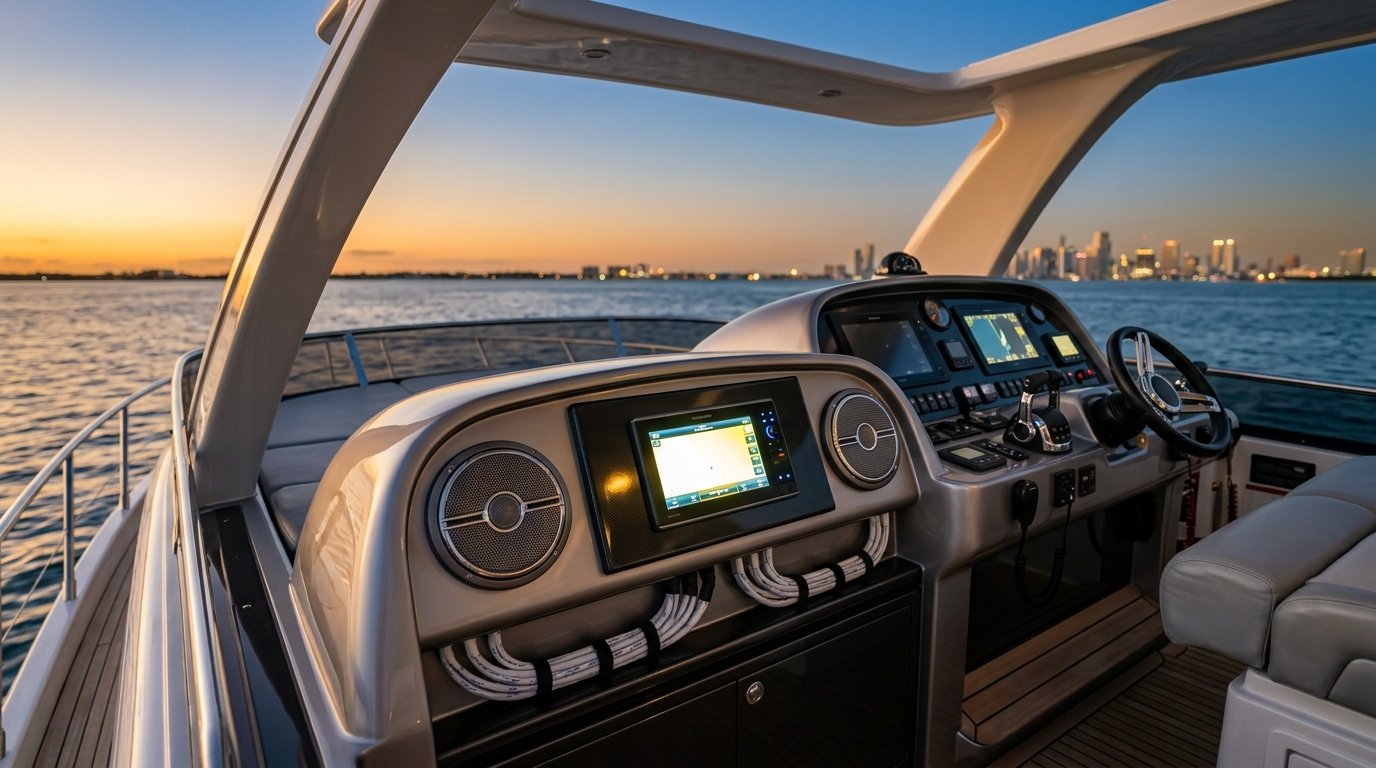
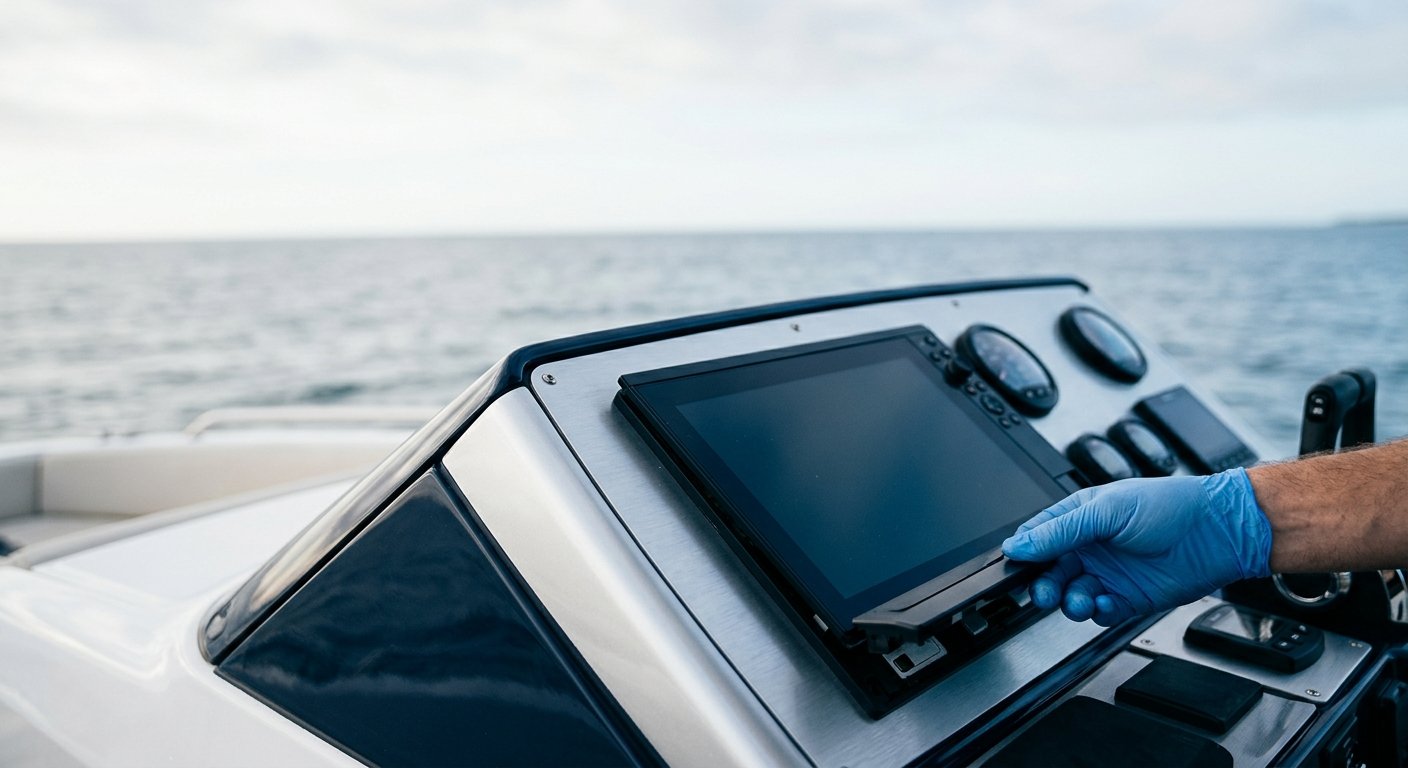
Here’s where professional installation makes a significant technical difference. Modern yacht CCTV installation isn’t a standalone project—it’s an integration challenge. On a properly networked vessel, security cameras can connect with your NMEA 2000 network and multifunction displays (MFDs) from Garmin, Simrad, Raymarine, or Furuno.
This integration means you can view camera feeds directly on your chartplotter or helm display, set up automated alerts tied to motion detection or anchor drag alarms, and incorporate camera systems into broader vessel monitoring platforms. Some advanced configurations allow cameras to trigger recording automatically when the vessel’s intrusion detection system activates—a genuinely useful capability for vessels left unattended at anchor or in marina slips.
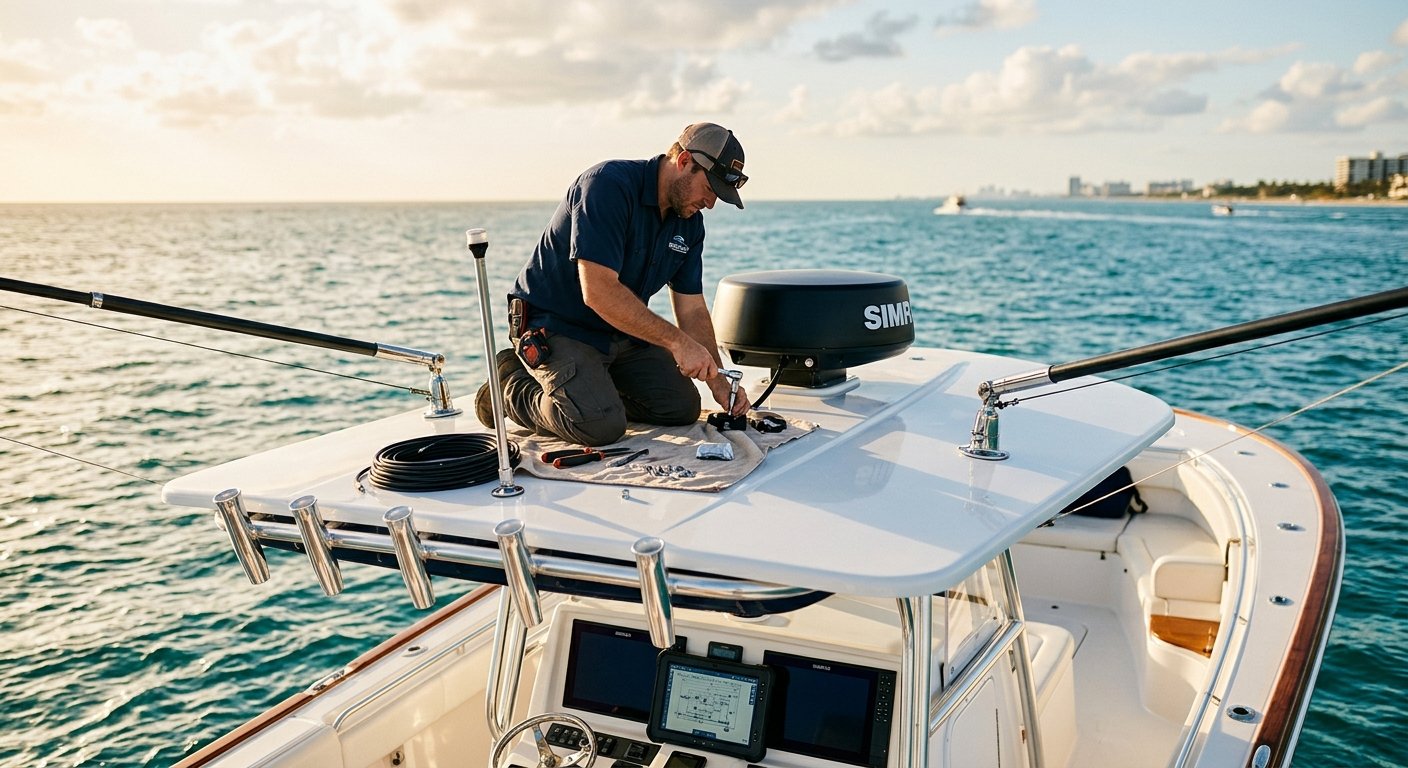
Improperly wired camera systems, however, can introduce interference into sensitive navigation electronics, create grounding issues that accelerate corrosion, or produce false signals across the NMEA 2000 network. Our NMEA-certified installation specialists understand how marine electronics networks function as integrated systems, which is why proper integration—not just mounting a camera and running a cable—is the core of what professional marine electronics installation delivers. You can learn more about comprehensive onboard electronics integration at our marine electronics installation service page.
Boat Theft Prevention: What the Data Shows
Visible camera systems serve a dual purpose: they document incidents that occur and deter theft before it happens. According to research published by the National Institute of Justice, visible surveillance systems consistently reduce property crime at monitored locations. For marina environments, this translates directly—vessels with obvious camera coverage are less attractive targets than neighboring boats without visible security systems.
In South Florida, this matters particularly at inland waterway docks, public boat ramps from Hobe Sound to Fort Lauderdale, and during hurricane season when boats stored on the hard or in covered facilities are sometimes left unattended for extended periods. A camera system connected to remote monitoring gives owners immediate awareness of any activity around their vessel, even during storm preparation and post-storm return.
Installation Considerations for South Florida Vessels
Several South Florida-specific factors shape how a marine security camera system should be designed and installed:
- Saltwater exposure intensity — Vessels running offshore past Jupiter Inlet or crossing the Gulf Stream face extraordinary corrosive conditions that demand the highest-grade hardware and meticulous cable sealing
- Marina electrical environments — Stray current corrosion is a documented problem in many South Florida marinas; proper bonding and grounding of camera systems protects both the electronics and the vessel
- Hurricane preparation — Camera placement should account for potential storm tie-down positions and the possibility of temporary camera removal or protection for major storms
- Liveaboard and extended cruising use — Vessels used for extended Bahamas cruising benefit from camera systems designed for high-duty-cycle operation and remote connectivity even offshore
Cable runs deserve particular attention. Every penetration through a bulkhead or deck is a potential water intrusion point. Factory-trained technicians use proper marine-grade sealants, waterproof connectors, and routing techniques that protect cable integrity over the long term—details that DIY installations frequently overlook with costly consequences.
Connecting Security to Your Broader Vessel Electronics
A marine monitoring system doesn’t exist in isolation. Well-planned vessels integrate security cameras with AIS (Automatic Identification System) receivers, anchor watch functions, and remote vessel monitoring platforms. Some owners add motion-triggered lighting that activates alongside cameras—a particularly effective deterrent in dark marina environments.
For larger yachts and vessels with onboard entertainment systems, camera feeds can display on salon screens or crew monitoring stations. If you’re also considering sound system upgrades or AV integration alongside security cameras, our boat speakers installation specialists can coordinate installations to minimize redundant work and ensure clean cable management throughout the vessel.
For a comprehensive overview of marine security camera options, specifications, and system design considerations, our dedicated marine security cameras resource page provides detailed guidance tailored to South Florida vessel owners.
Frequently Asked Questions
What IP rating should marine security cameras have?
At minimum, marine security cameras should carry an IP67 rating, meaning they’re protected against temporary submersion in up to one meter of water. For cameras mounted on the transom, swim platform, or exposed exterior positions on offshore vessels, IP68-rated units—designed for continuous submersion—provide greater long-term reliability in South Florida’s demanding saltwater environment.
Can I monitor my boat remotely from my phone?
Yes. Modern marine monitoring systems with network connectivity allow remote smartphone access through dedicated apps. You can view live camera feeds and receive motion alerts whether you’re at home in Palm Beach or traveling. Reliable remote access requires a cellular or Wi-Fi connection aboard the vessel, typically provided through a marine-grade LTE router or marina Wi-Fi connection.
Will marine security cameras work with my Garmin or Raymarine chartplotter?
Many marine IP cameras are compatible with major MFD platforms from Garmin, Raymarine, Simrad, and Furuno, allowing you to view camera feeds directly on your helm display. Compatibility depends on specific camera and MFD models, and proper network configuration is required. An NMEA-certified installer can verify compatibility and configure integration correctly before installation.
How much does a marine security camera system typically cost?
System cost varies significantly based on vessel size, camera count, resolution, storage type, and integration complexity. A basic two-camera system on a center console differs substantially from a six-camera NVR system integrated with a superyacht’s NMEA 2000 network. Professional consultation before purchase ensures you’re specifying hardware that meets your actual needs without over- or under-investing.
Does a security camera system affect my boat insurance?
Some marine insurers offer premium considerations for vessels with documented security systems. Contact your marine insurance provider directly to understand what documentation they require. Professionally installed systems with verifiable specifications and installation records may be more readily accepted than self-installed systems.
Protecting Your Investment with Professional Installation
A vessel represents one of the most significant investments many South Florida boat owners will make. A properly specified and professionally installed marine security camera system provides real protection against theft, vandalism, and liability exposure—and the peace of mind that comes from knowing your boat is monitored whether you’re aboard or ashore.
Marine Electronics Installers serves vessel owners from Stuart to Fort Lauderdale, including West Palm Beach, Palm Beach, Jupiter, and Hobe Sound. Our licensed, insured, and NMEA-certified installation specialists bring factory-trained technical expertise to every camera system project, from 25-foot center consoles to mega yachts.
Contact MEI at (772) 634-6055 or visit us at 7892 SW Jack James Dr, Stuart, FL 34997 to schedule a consultation and learn which marine security camera system is right for your vessel.