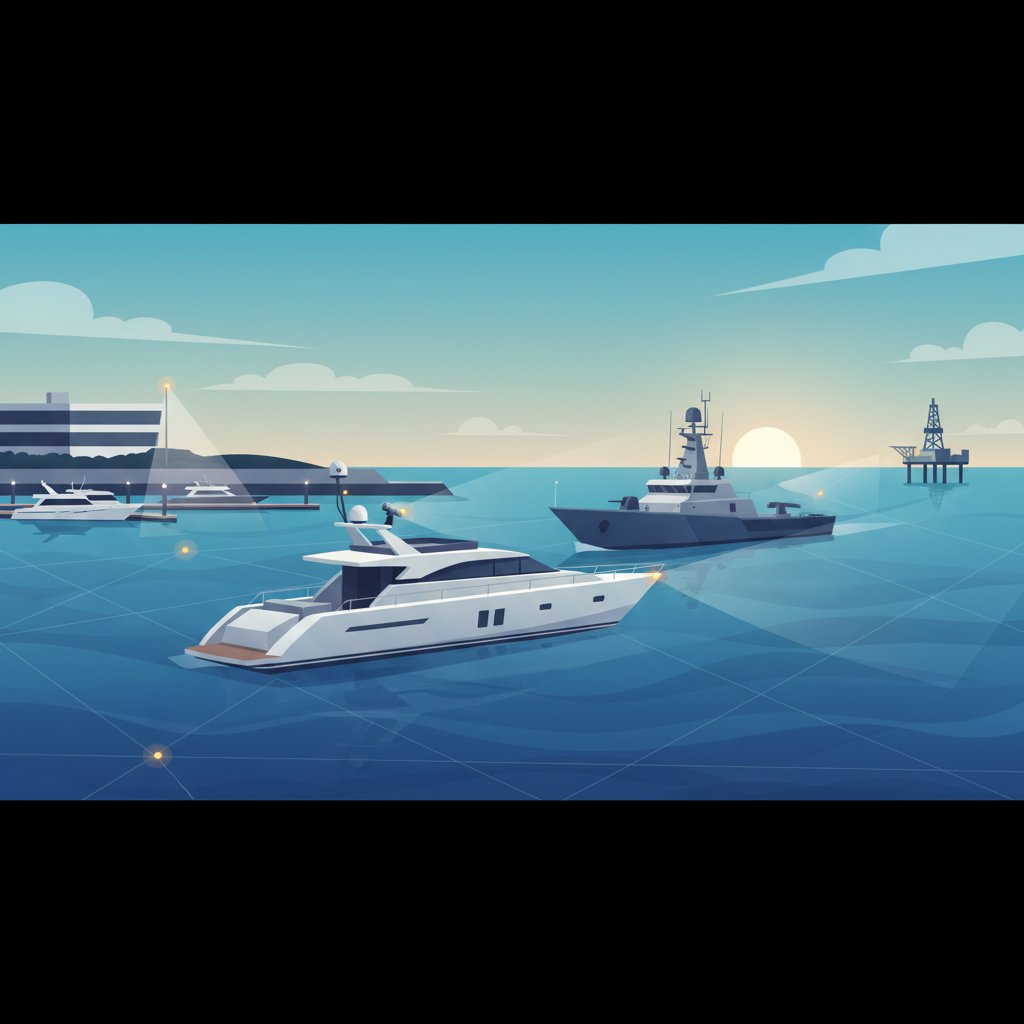
A boat owner returned to his slip at Old Port Cove Marina to find his electronics ripped out and fuel tanks siphoned—$15,000 in damage that could have been prevented and documented with a properly installed marine monitoring system. As vessel values climb and theft incidents increase across South Florida marinas, boat surveillance systems have evolved from luxury additions to essential security infrastructure.
Modern marine security cameras serve dual purposes: protecting your investment while docked and providing critical monitoring capabilities during offshore passages. Whether you’re concerned about overnight security at Harbour Ridge Marina or need to monitor engine rooms during Bahamas crossings, understanding the technical requirements and installation considerations for yacht CCTV systems is fundamental to effective vessel protection.
Why Boat Security Camera Installation Differs from Land-Based Systems
Installing waterproof security cameras marine environments requires fundamentally different approaches than residential or commercial systems. The marine environment subjects electronics to salt spray, constant vibration, extreme temperature fluctuations, and moisture intrusion that would destroy standard security equipment within weeks.
Marine-grade surveillance cameras must meet IP67 or IP68 ratings at minimum, indicating complete protection against dust ingress and immersion in water. However, the IP rating alone doesn’t address the corrosive nature of saltwater environments. Quality yacht security systems utilize 316-grade stainless steel housings with specialized coatings that resist galvanic corrosion—particularly critical in South Florida’s aggressive marine climate.
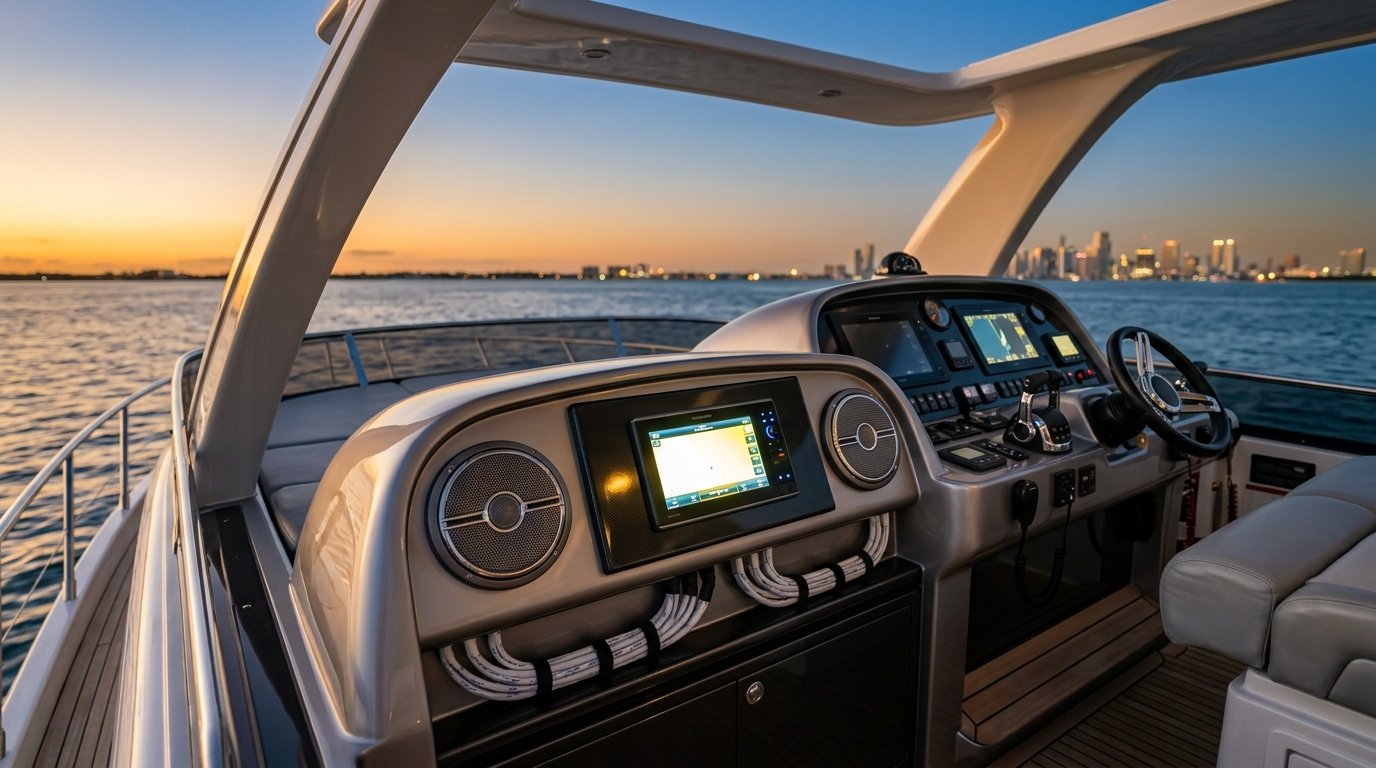
Proper installation requires integration with existing marine electrical systems, typically involving connection to NMEA 2000 networks for power management and data integration with multifunction displays. This integration allows boat owners to view camera feeds directly on chartplotters and helm displays, eliminating the need for separate monitoring equipment that consumes valuable space.
Essential Components of Marine Monitoring Systems
Camera Selection and Placement
Effective boat surveillance systems require strategic camera placement covering multiple security zones. For vessels docked in marinas, priority coverage areas include:
- Cockpit and swim platform—primary access points for unauthorized boarding
- Side decks and bow—where thieves typically approach before attempting entry
- Helm station—protecting expensive electronics and navigation equipment
- Engine room—monitoring mechanical systems and detecting early signs of trouble
- Salon and cabin areas—interior protection for high-value vessels
Camera specifications should include wide dynamic range (WDR) technology to handle the extreme contrast between bright sunlight reflecting off water and shadowed areas under T-tops or hardtops. Night vision capability using infrared LEDs rated for marine use ensures 24-hour monitoring, crucial for overnight dock security and night passages.
Digital Video Recording and Storage
Marine digital video recorders (DVRs) must withstand the same environmental challenges as cameras while providing reliable storage and retrieval. Solid-state storage systems without moving parts offer superior reliability in high-vibration marine environments compared to traditional hard drives.
Storage capacity depends on camera count, resolution, and retention requirements. A four-camera system recording at 1080p typically requires 500GB to 1TB for 30 days of continuous recording. However, motion-activated recording significantly extends storage capacity while reducing power consumption—an important consideration for boats operating on battery power.
Cloud-based backup systems provide redundancy, but require reliable cellular or satellite connectivity. In South Florida waters, 4G LTE coverage extends roughly 20 miles offshore, providing adequate connectivity for marina storage and nearshore cruising. Beyond that range, satellite-based systems become necessary for real-time remote monitoring.
Power Systems and Energy Management
Marine surveillance systems draw continuous power, creating significant demands on vessel electrical systems. A typical four-camera system with DVR consumes 40-80 watts continuously, translating to 960-1,920 watt-hours daily—equivalent to running a marine refrigerator.
Professional yacht CCTV installation integrates surveillance systems with battery monitoring and automatic load shedding to prevent depleting house banks. For vessels without shore power access or solar charging, this integration becomes critical to maintaining sufficient power for bilge pumps and other essential systems.
Advanced installations incorporate separate dedicated battery banks with solar charging specifically for surveillance systems, ensuring security monitoring continues even when main house banks are isolated or depleted.
Remote Monitoring Capabilities for South Florida Boaters
Remote access transforms boat security camera installation from passive recording devices into active monitoring systems. Modern marine monitoring systems enable owners to check their vessels from anywhere with internet connectivity, receiving instant alerts when motion is detected or system anomalies occur.
For boats stored at marinas like Sunset Bay or Loggerhead Marina, remote monitoring provides peace of mind during hurricanes and tropical storms. Owners can verify dock lines remain secure, monitor rising water levels, and document any damage in real-time without physically accessing potentially dangerous storm conditions.
Mobile applications designed for marine security systems should provide:
- Live camera feeds from all installed cameras
- Motion detection alerts with captured images
- Two-way audio communication (for equipped cameras)
- Recorded footage access and download capability
- System health monitoring showing camera status and storage capacity
Network security becomes paramount with remote access capabilities. Marine surveillance systems must utilize encrypted connections, secure authentication protocols, and regular firmware updates to prevent unauthorized access—particularly important as connected marine systems become targets for cyber threats.
Integration with Existing Marine Electronics
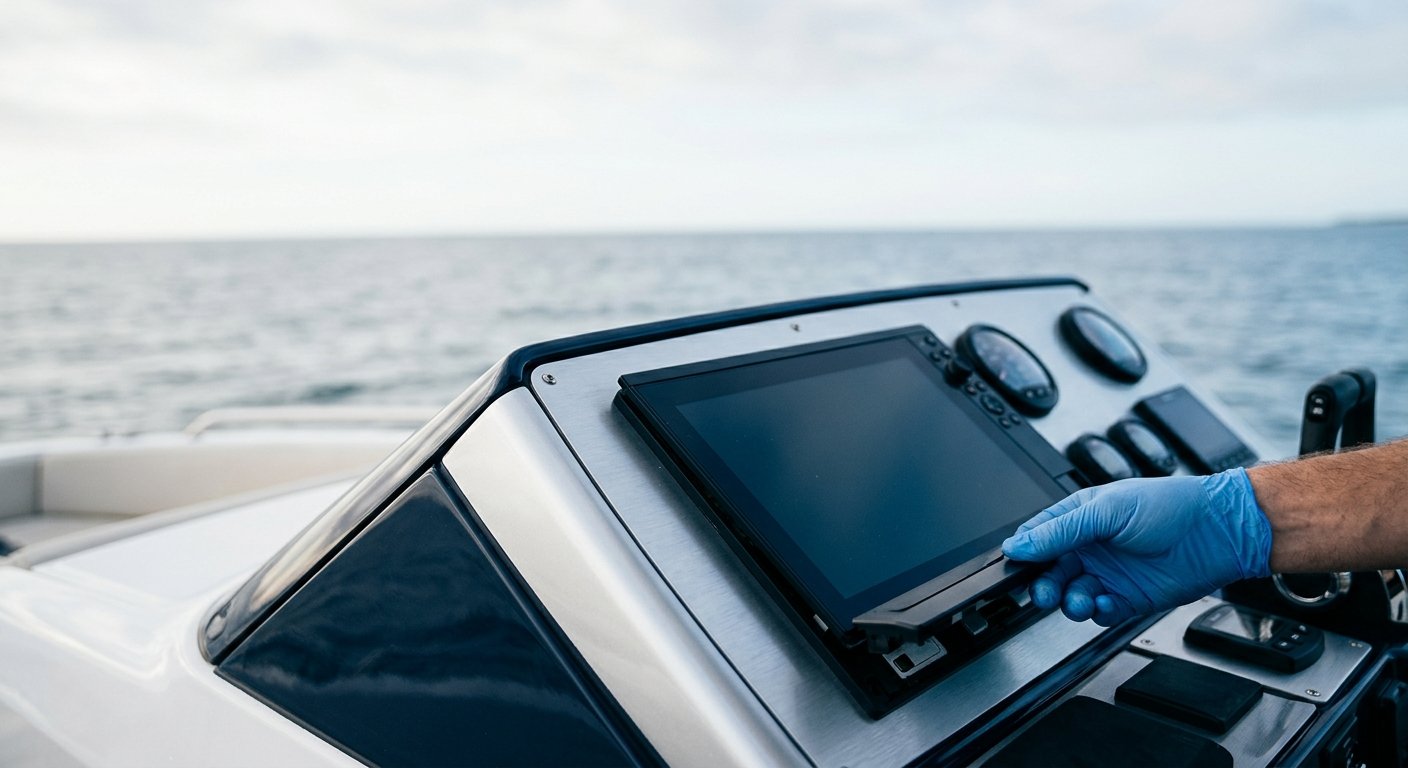
Professional yacht security system installations integrate seamlessly with existing NMEA 2000 and NMEA OneNet networks, allowing surveillance feeds to display on existing chartplotters and multifunction displays. This integration eliminates redundant equipment while leveraging high-quality marine displays already installed at helm stations.
Garmin, Raymarine, Simrad, and Furuno systems support compatible camera inputs through various protocols. However, proper integration requires detailed knowledge of each manufacturer’s specifications and network architecture. Incorrect installation can create network conflicts, causing critical navigation systems to malfunction.
Beyond camera display, advanced integrations include:
- Automatic camera activation when motion sensors detect movement
- Integration with bilge alarms to provide visual verification of flooding
- Engine room camera activation when high-temperature alarms trigger
- Geofencing alerts that activate recording when vessels move unexpectedly
Installation Considerations for Different Vessel Types
Center Consoles and Bay Boats
Smaller vessels present unique installation challenges due to limited cabin space and electrical capacity. Compact marine security cameras with wireless connectivity reduce installation complexity while providing adequate coverage for these open-layout boats.
For 25-35 foot center consoles common in South Florida offshore fishing, a two-camera system covering the console and stern typically provides sufficient security. Wireless systems eliminate extensive cable runs through limited concealment spaces, though proper antenna placement becomes critical to maintain reliable connectivity in fiberglass hulls.
Express Cruisers and Sportfish Yachts
Mid-size vessels from 35-60 feet benefit from comprehensive four to six-camera systems covering interior and exterior spaces. These installations typically integrate with existing 12-volt DC systems, though larger yachts may utilize 24-volt systems requiring voltage conversion.
Engine room monitoring becomes particularly valuable on these vessels, providing early warning of overheating, fluid leaks, or mechanical issues before catastrophic failure occurs. Cameras rated for high-temperature environments (up to 185°F) ensure reliable operation in South Florida’s heat.
Mega Yachts and Large Motor Yachts
Vessels exceeding 60 feet often require 8-16 camera systems with sophisticated network architecture. These installations typically utilize Power over Ethernet (PoE) technology, running surveillance systems on dedicated network switches with uninterruptible power supplies.
Professional yacht CCTV installation on large vessels includes integration with vessel management systems, providing crew and captains centralized monitoring of security alongside mechanical systems, lighting control, and HVAC management.
Waterproof Security Cameras: Technical Specifications That Matter
Not all waterproof security cameras marine-rated equipment meets the demands of offshore use. Understanding critical specifications helps differentiate between cameras suitable for coastal cruising versus those capable of handling Gulf Stream crossings to the Bahamas.
Resolution requirements have evolved significantly. While 720p cameras sufficed several years ago, modern installations should utilize 1080p (2MP) minimum, with 4K cameras increasingly common for helm and critical coverage areas. Higher resolution enables digital zoom during footage review, helping identify individuals or read boat registration numbers from recorded footage.
Temperature tolerance matters significantly in South Florida. Cameras must function reliably from air-conditioned interior environments (68°F) to sun-exposed deck areas exceeding 140°F. Quality marine cameras specify operational ranges from -4°F to 185°F, ensuring functionality across all installation locations.
Lens selection impacts coverage significantly. Wide-angle lenses (90-120 degrees) provide comprehensive area coverage but reduce identification detail at distance. Varifocal lenses allowing zoom adjustment offer flexibility during installation, enabling optimization for specific coverage requirements.
Addressing Common Marine Surveillance Challenges
Saltwater Corrosion and Environmental Protection
Even marine-rated cameras eventually succumb to saltwater exposure without proper installation techniques. Professional installations incorporate:
- Silicone sealant at all penetrations preventing water intrusion
- Drip loops in cables preventing water migration into connections
- Corrosion inhibiting compounds on electrical connections
- Regular inspection and maintenance schedules
Camera housings should mount with slight downward angles preventing water accumulation on lenses and connectors. Even with IP68 ratings, standing water accelerates corrosion and degrades image quality through mineral deposits.
Vibration and Shock Resistance
Offshore conditions subject surveillance equipment to constant vibration and occasional hard impacts when vessels pound through seas. Cameras and DVRs require solid mounting to structural members rather than cosmetic panels that flex and vibrate.
Solid-state storage eliminates mechanical hard drive failures from vibration, while shock-mounted equipment racks protect DVRs and network equipment. For serious offshore vessels running to the Bahamas regularly, these considerations determine whether systems remain operational or fail prematurely.
Connectivity and Bandwidth Management
Wireless camera systems face challenges in marine environments where fiberglass, metal framing, and electronics create signal interference. Professional installations include site surveys using spectrum analyzers identifying optimal wireless channels and access point placement.
For reliable operation, wired systems using marine-grade cabling provide superior performance despite higher installation complexity. Tinned copper conductors resist corrosion while maintaining signal integrity over extended cable runs necessary on larger vessels.
Hurricane Preparation and Storm Monitoring
South Florida boat owners face annual hurricane threats requiring specialized preparation strategies. Marine monitoring systems enable remote surveillance during storms, but equipment must survive these extreme conditions to provide value.
Pre-storm preparation includes:
- Verifying camera housings are sealed and secure
- Testing remote access and mobile alerts
- Ensuring adequate battery capacity for extended power outages
- Adjusting camera angles to monitor critical dock lines and fenders
- Activating continuous recording mode capturing complete storm documentation
Footage documenting storm damage provides invaluable evidence for insurance claims while helping owners assess whether returning to vessels is safe following storm passage.
Professional Installation vs. DIY Approaches
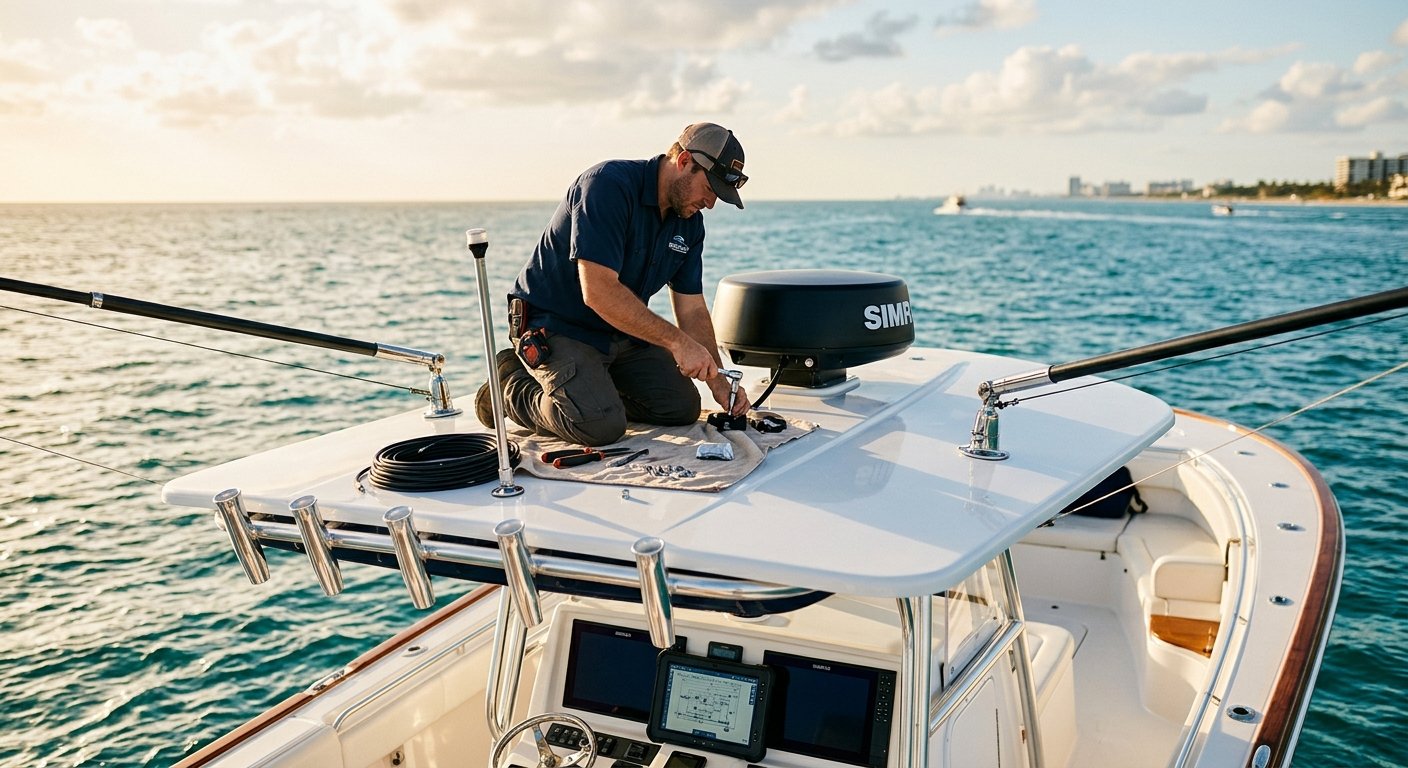
While marine security cameras are available through consumer channels, professional yacht security system installation provides significant advantages justifying the investment for most boat owners.
Professional installers bring factory training on marine electronics integration, understanding how to properly interface surveillance systems with NMEA networks without creating conflicts. They possess specialized tools for running cables through finished boat interiors without visible damage and understand marine electrical codes preventing installation errors that create safety hazards.
Equally important, professional installations include proper waterproofing techniques, corrosion prevention measures, and thorough system testing under various conditions. These installations typically include warranties covering both equipment and labor—protection unavailable with DIY projects.
Maintenance and Long-Term Reliability
Marine monitoring systems require regular maintenance ensuring continued reliability. Annual service should include:
- Camera lens cleaning removing salt residue and corrosion
- Connection inspection and resealing where necessary
- Firmware updates providing security patches and feature improvements
- Storage system verification and backup testing
- Power consumption testing identifying degraded components
Proactive maintenance extends system life significantly while ensuring cameras function properly when needed most—during security incidents or mechanical emergencies.
Frequently Asked Questions
How much does professional boat security camera installation cost?
Professional yacht CCTV installation typically ranges from $2,500 to $15,000 depending on vessel size, camera count, and integration complexity. A basic four-camera system for a 35-foot express cruiser averages $3,500-5,000 including equipment and installation, while comprehensive systems for vessels over 60 feet with 12+ cameras and full integration can exceed $10,000.
Can I monitor my boat cameras while offshore in the Bahamas?
Monitoring capability depends on connectivity. Within 20 miles of Florida’s coast, 4G LTE typically provides sufficient coverage for remote access. Beyond that range, satellite-based systems are necessary. Many boat owners configure systems to record continuously while offshore, reviewing footage when connectivity is restored rather than attempting real-time monitoring in remote areas.
What’s the minimum IP rating for marine security cameras?
Marine security cameras should meet IP67 minimum for interior installations and IP68 for exterior exposure. IP67 provides protection against temporary immersion, while IP68 offers continuous immersion protection. However, IP ratings alone don’t address saltwater corrosion, so marine-specific construction with corrosion-resistant materials is equally important.
How long do marine surveillance camera systems last?
Quality marine monitoring systems properly installed and maintained typically provide 7-10 years of reliable service. Exterior cameras exposed to direct saltwater spray may require replacement sooner (5-7 years), while interior cameras and recording equipment often exceed 10 years. Regular maintenance significantly extends equipment life.
Do marine surveillance systems work when shore power is disconnected?
Yes, properly installed systems operate from vessel house banks, functioning identically whether connected to shore power or running on batteries. However, power consumption becomes a critical consideration. Systems drawing 50-80 watts continuously can deplete batteries within days without charging, so solar panels or periodic engine running may be necessary for boats stored without shore power.
Protecting Your Investment with Professional Marine Surveillance
Boat surveillance systems provide security and monitoring capabilities that protect substantial vessel investments while enabling remote oversight impossible just years ago. However, the marine environment demands specialized equipment, professional installation techniques, and proper system integration that separates functional systems from expensive failures.
For South Florida boat owners, selecting waterproof security cameras marine-grade construction and partnering with NMEA-certified installers ensures surveillance systems withstand saltwater exposure, integrate properly with existing electronics, and provide reliable long-term performance. Whether your priority is marina theft prevention, offshore engine monitoring, or hurricane documentation, professional marine monitoring systems deliver protection and peace of mind.
Marine Electronics Installations specializes in yacht security system design and installation for vessels throughout South Florida. Our factory-trained technicians understand the unique challenges of marine surveillance systems and provide professional installations backed by comprehensive warranties. Contact us at (772) 634-6055 or visit our Stuart facility at 7892 SW Jack James Dr, Stuart, FL, 34997 to discuss surveillance solutions tailored to your vessel and security requirements.