Whether you’re upgrading your center console’s navigation suite or outfitting a yacht with comprehensive electronics, understanding installation costs is essential for budgeting your project. Professional marine electronics installation typically ranges from $95 to $175 per hour in South Florida, though your total investment depends on system complexity, vessel type, and equipment specifications. Unlike automotive electronics, marine installations require specialized NMEA certification, knowledge of harsh saltwater environments, and expertise in integrating multiple systems for offshore reliability.
The question isn’t just about hourly rates—it’s about understanding what professional installation delivers: proper wire routing that prevents chafing and corrosion, correctly sized circuit protection, weatherproof connections that withstand offshore conditions, and system integration that allows your electronics to communicate seamlessly.
Understanding Marine Installation Labor Rates
Marine electronics installation cost breaks down into several components beyond basic hourly rates. Professional marine technicians in South Florida charge between $95 and $150 per hour for standard installations, with specialized work reaching $175 per hour. These rates reflect the technical expertise required for marine environments where improper installation can lead to equipment failure miles offshore or dangerous navigation errors.
NMEA-certified technicians bring factory training and specialized knowledge that typical electronics installers lack. They understand marine-grade specifications, IP rating requirements, and the critical differences between consumer and marine equipment. When you’re trusting electronics for navigation to the Bahamas or finding fish in the Gulf Stream, professional installation isn’t optional—it’s essential safety equipment.
What Influences Labor Costs
Several factors affect marine tech labor costs beyond the basic hourly rate. Vessel accessibility significantly impacts installation time—working in tight engine rooms or running cables through finished headliners takes considerably longer than open layouts. Fiberglass work for flush-mounting displays, fabricating custom brackets, or creating waterproof cable passages adds both time and specialized skill requirements.
System complexity dramatically affects costs. Installing a single chartplotter differs substantially from integrating radar, autopilot, multiple displays, AIS, depth sounders, and digital switching systems on a NMEA 2000 network. Each device requires proper addressing, network termination, and configuration to communicate correctly with other components.
Typical Installation Projects and Price Ranges
Understanding common installation scenarios helps set realistic budget expectations for your electronics upgrade. These estimates include labor only—equipment costs vary based on manufacturer and model selection.
Basic Electronics Package Installation
A straightforward installation on a center console—single multifunction display, VHF radio, and GPS antenna—typically requires 4-6 hours of labor. Expect costs between $400 and $900 depending on cable routing complexity and mounting requirements. This assumes standard mounting locations and accessible wiring paths.
For this basic package, technicians will route power cables with appropriate fusing, mount the GPS antenna with optimal sky view, install the VHF antenna at sufficient height for range, and configure the system for your local area. Proper grounding and RF shielding prevent interference between electronics.
Mid-Range Integration Projects
Most offshore boats benefit from integrated systems: dual displays, radar, autopilot, AIS, and depth/temperature sensors. These installations typically require 12-20 hours of labor, ranging from $1,200 to $3,000. The project involves creating a NMEA 2000 backbone, properly terminating the network, addressing each device, and ensuring all components communicate correctly.
These installations demand technical expertise in network configuration. Improperly terminated NMEA 2000 networks cause intermittent failures that are difficult to diagnose. Professional installers use marine-grade cabling, seal all connections against moisture intrusion, and document the network structure for future troubleshooting or expansion.
Comprehensive Yacht Systems
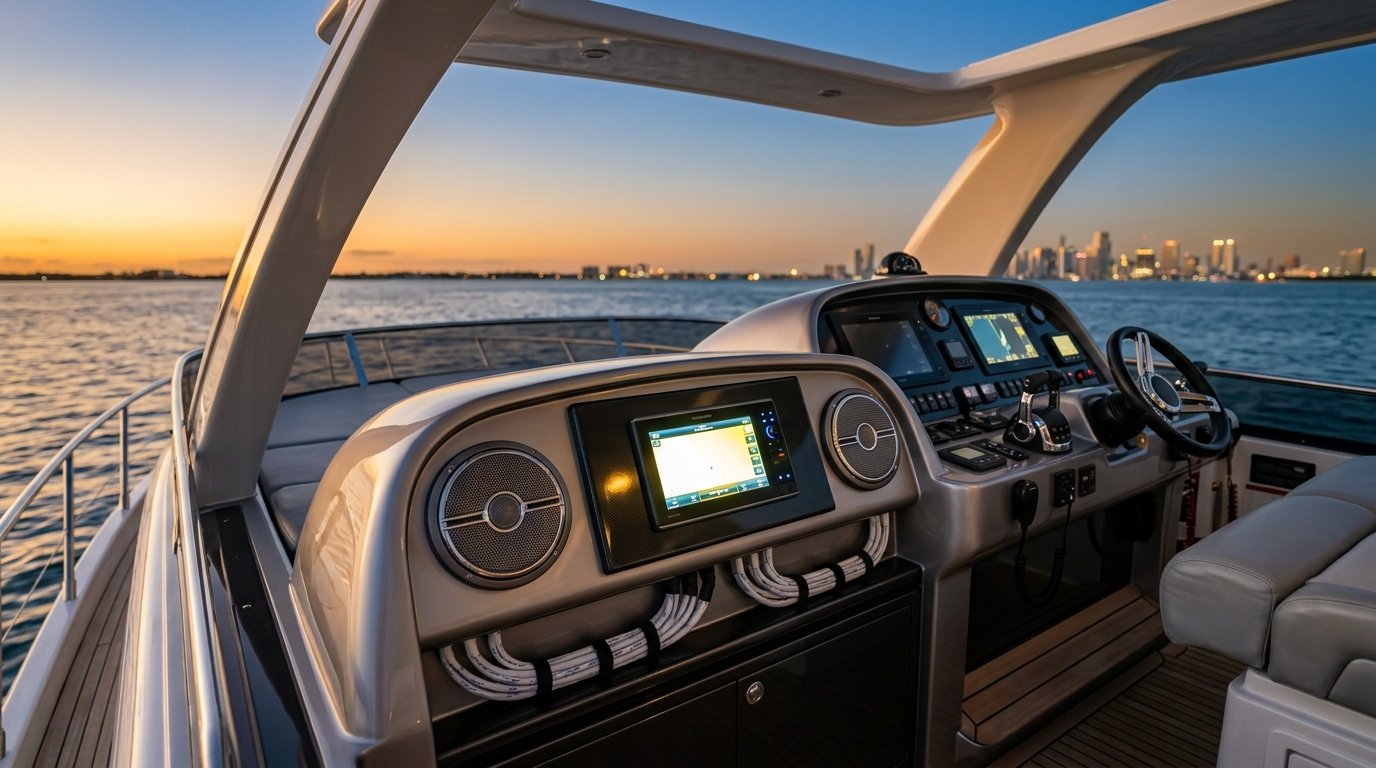
Larger vessels require extensive integration: multiple helm stations, flybridge and salon displays, entertainment systems, digital switching, monitoring systems, camera networks, and stabilization systems. Complete installations range from 40-100+ hours of labor, costing $4,000 to $15,000 or more.
These complex projects involve creating multiple NMEA 2000 networks, integrating Ethernet backbones for high-speed data, installing power distribution systems, and programming digital switching for lighting, pumps, and accessories. Custom panel fabrication, wire labeling, and comprehensive system documentation are essential components.
Equipment-Specific Installation Considerations
Different marine electronics require varying installation expertise and time commitments, affecting your overall project cost.
Radar Installation Complexity
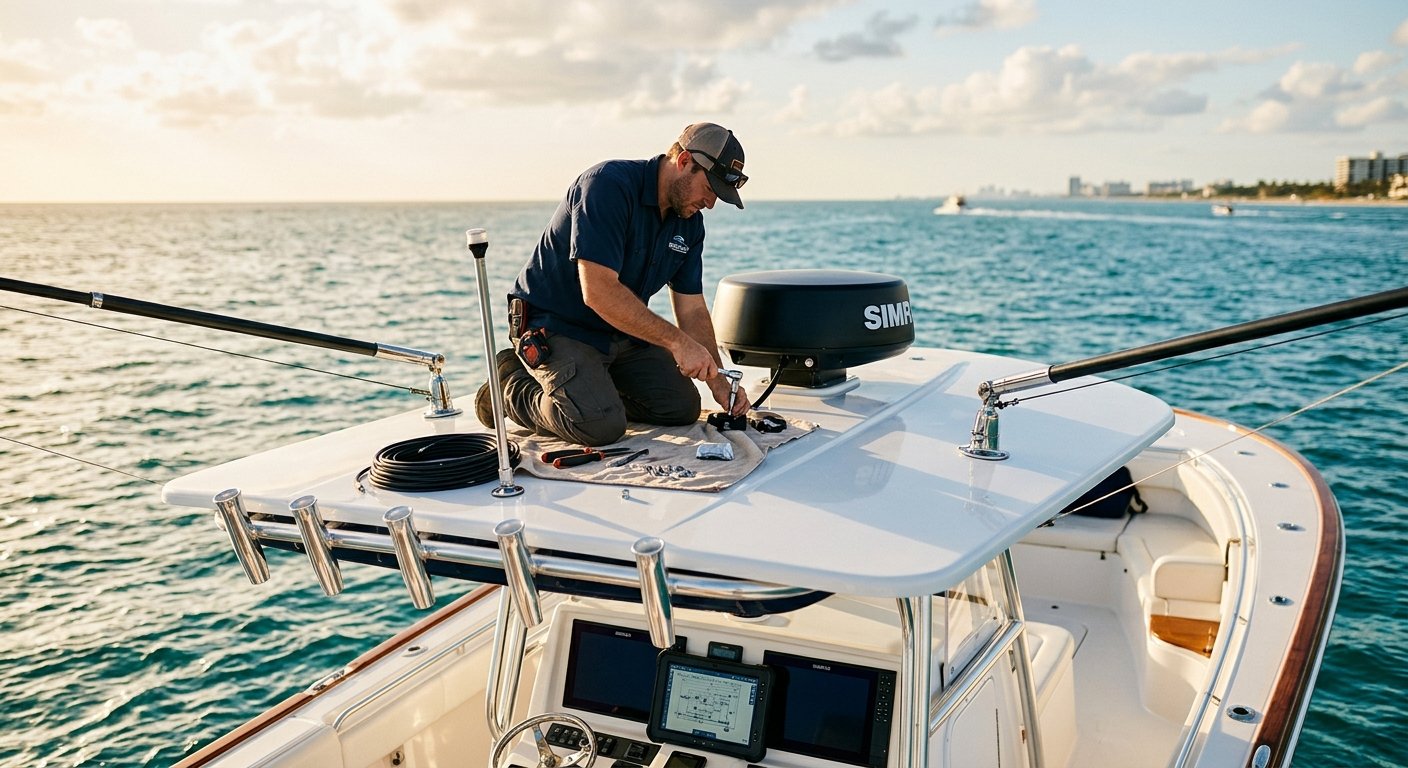
Radar installations demand precise mounting, cable routing, and careful consideration of antenna placement. Open-array radar requires substantial mounting pedestals with clear 360-degree rotation, while dome radar offers simpler installation but still needs optimal height placement. Installation typically requires 4-8 hours including mounting, cable routing through the boat, and system calibration. Expect labor costs between $400 and $1,200 depending on vessel configuration.
The radar antenna must be mounted away from structures that cause shadows or interference. On sportfish towers, technicians consider outriggers, antennas, and other equipment that might obstruct the radar beam. Proper installation includes configuring guard zones, adjusting gain and sea clutter settings, and testing at various ranges.
Autopilot System Installation
Autopilot installations vary dramatically based on steering system type. Hydraulic steering requires pump installation, fluid lines, and integration with existing hydraulic systems—typically 8-12 hours of labor. Cable steering uses linear drives or rotary mechanisms that are somewhat simpler. Outboard vessels need specialized actuators designed for transom mounting.
Beyond mechanical installation, autopilots require compass calibration, rudder limit configuration, and sea trial adjustments for optimal performance. Professional installation ensures the system responds appropriately to sea conditions without overcorrecting or sluggish response. Labor costs range from $800 to $2,000 for complete autopilot installation including calibration.
Fishfinder and Transducer Installation
Transducer installation requires careful consideration of hull type, running surface, and interference from other equipment. Through-hull transducers provide best performance but require drilling the hull, creating watertight installations, and proper fairing. Transom-mount transducers offer simpler installation but may produce turbulence at higher speeds.
Installation typically requires 2-4 hours including mounting, cable routing, and display configuration. Through-hull installations add time for hull penetration, bedding compound application, and proper sealing. Professional installers understand transducer placement that avoids propeller wash, strakes, and other hull features that create turbulence affecting sonar performance.
Hidden Costs in Marine Electronics Installation
Beyond hourly labor rates, several additional expenses commonly arise during professional boat electronics installations. Understanding these potential costs prevents budget surprises.
Wiring and Cable Infrastructure
Marine-grade wiring costs significantly more than automotive or household wire. Tinned copper conductors resist corrosion in saltwater environments but cost 2-3 times more than standard wire. NMEA 2000 backbone cables, drop cables, and terminators add $200-500 to network installations. Proper installations use marine-grade heat shrink, waterproof connectors, and corrosion-resistant terminals throughout.
Cable routing often requires additional hardware: conduit for protecting cables in exposed areas, grommets for bulkhead penetrations, cable ties designed for marine environments, and adhesive-backed foam to prevent chafing. Budget an additional 15-25% beyond labor rates for proper installation materials.
Fabrication and Mounting Hardware
Standard mounting brackets rarely fit every installation perfectly. Custom fabrication—stainless steel or aluminum brackets, fiberglass work for flush mounting, or helm modifications for optimal viewing angles—adds costs. Simple bracket fabrication might add 2-4 hours of labor, while extensive custom work for multiple displays can add 8-12 hours to project timelines.
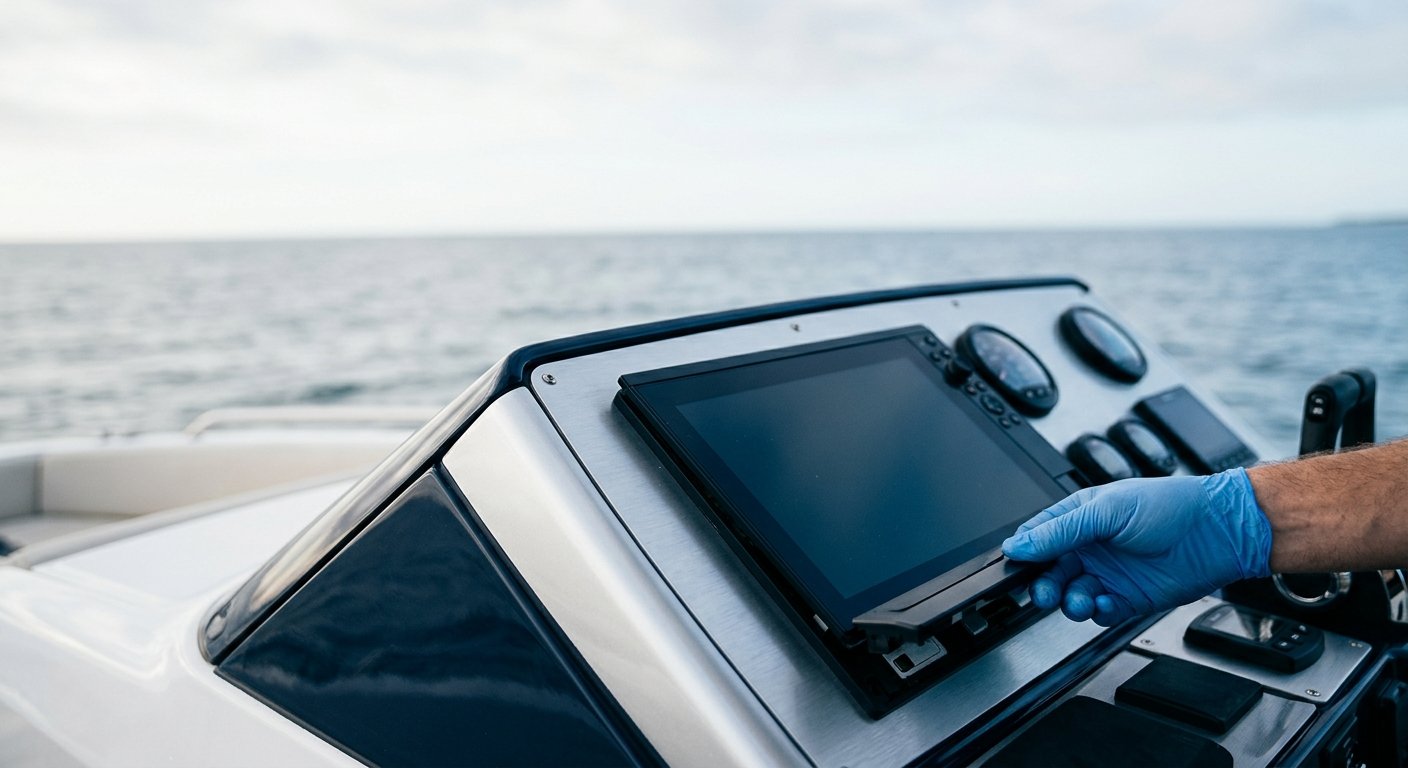
Flush-mounting multifunction displays into helm consoles creates clean, professional installations but requires fiberglass cutting, creating watertight backside enclosures, and sometimes structural reinforcement. This specialized work requires expertise beyond basic electronics installation.
Addressing Pre-Existing Problems
Older vessels often reveal electrical problems during new installations. Corroded circuit breaker panels, undersized wiring, improper grounding, or damaged connectors require remediation before new electronics installation. Professional technicians won’t connect expensive new equipment to substandard electrical systems that could cause failures or safety hazards.
Addressing these underlying issues adds costs but protects your investment. Replacing corroded main bus bars, upgrading undersized battery cables, or installing proper DC distribution panels ensures reliable operation for years. Consider these necessary upgrades rather than unexpected expenses—they prevent expensive equipment damage and potential onboard fires.
Why Professional Installation Delivers Value
The marine electronics installation cost differential between professional and DIY installation is substantial, but the value justifies the investment. Professional installation delivers reliability, safety, and long-term performance that improper installation cannot match.
Warranty Protection and Manufacturer Support
Most marine electronics manufacturers require professional installation for warranty validity. Improper installation voids warranties, leaving you responsible for equipment replacement if problems arise. NMEA-certified technicians provide installation documentation that satisfies manufacturer requirements, protecting your investment in expensive electronics.
Professional installers maintain relationships with manufacturers, providing direct access to technical support when configuration questions arise. They understand product-specific installation requirements, firmware updates, and compatibility issues that affect system integration.
Proper System Integration
Modern marine electronics communicate across networks, sharing GPS data, depth information, and chart information between displays, autopilots, and radar systems. Proper integration requires understanding NMEA protocols, network addressing, and device communication. Professional marine tech labor costs include expertise in creating properly functioning networks where all devices work together seamlessly.
Improperly configured networks create frustrating problems: intermittent GPS loss, radar overlay errors, autopilot tracking issues, or AIS targets not displaying. Professional installers configure systems correctly from the start, then verify all functions work properly before completing the project.
Saltwater Environment Expertise
South Florida’s harsh marine environment demands installation techniques that prevent corrosion, moisture intrusion, and UV degradation. Professional installers understand conformal coating for connections, proper sealants for different applications, and cable routing that prevents water accumulation. These details separate installations that last decades from those requiring extensive repairs within years.
Connections exposed to salt air corrode rapidly without proper protection. Professional installers use dielectric grease, heat shrink with adhesive lining, and waterproof connectors throughout. They route cables with drain points preventing water accumulation and secure all wiring against vibration that causes chafing failures.
Comparing Quotes: What to Expect from Professional Installers
When evaluating marine installation rates from different providers, understanding quote components helps identify value versus simply comparing hourly rates.
Comprehensive quotes should specify labor hours estimated, hourly rate, materials costs separated from labor, and itemized equipment if the installer is supplying components. Detailed quotes indicate professional approach versus vague estimates that often lead to unexpected final costs.
Ask potential installers about their certification credentials, factory training, and experience with your specific equipment brands. NMEA certification demonstrates commitment to industry standards and technical education. Factory training from manufacturers like Garmin, Raymarine, Furuno, or Simrad indicates deep product knowledge.
Request references from recent installations on similar vessels. Speaking with other boat owners provides insight into communication, project timeline accuracy, problem-solving ability, and follow-up support. Professional installers stand behind their work and maintain positive relationships with previous clients.
Timing and Project Planning
Marine electronics installation scheduling affects costs and project success. South Florida’s boating season peaks during winter months when comfortable weather brings maximum on-water activity. Scheduling installations during summer months often provides better availability and sometimes negotiable rates.
Complex installations benefit from having the vessel hauled or at a dock with shore power rather than attempting work while cruising or anchored. Stable working conditions produce better results and reduce installation time. Plan installations during periods when you won’t need the boat, allowing proper completion without rushed work.
Large projects sometimes benefit from phased approaches: complete basic navigation systems first, then add radar and autopilot during subsequent visits, finally integrating entertainment and monitoring systems. This spreads costs over time and allows learning each system before adding complexity.
Frequently Asked Questions
How much does it cost to install a chartplotter on a boat?
Basic chartplotter installation typically costs $300-600 in labor for straightforward installations on center consoles or smaller boats. This includes mounting the display, running power and GPS antenna cables, and basic configuration. Complex installations requiring custom mounting, extensive cable routing, or integration with existing systems may cost $800-1,200 in labor depending on vessel specifics.
Are marine electronics installers more expensive than car audio installers?
Yes, professional boat electronics installer prices run 30-50% higher than automotive installers due to specialized knowledge requirements, marine-grade materials, and harsh saltwater environment challenges. Marine installations require NMEA certification, understanding of marine protocols, and expertise in corrosion prevention that automotive technicians typically lack.
Should I install marine electronics myself to save money?
Unless you possess NMEA certification, marine electrical experience, and proper tools, DIY installation risks voiding warranties, creating safety hazards, and producing unreliable systems. The marine electronics installation cost for professional work protects your expensive equipment investment and ensures reliable operation when you’re offshore depending on electronics for safety and navigation.
How long does professional marine electronics installation take?
Timeline varies by project scope. Basic single-display installations complete in 4-6 hours, mid-range integrated systems require 2-3 days, and comprehensive yacht installations span 1-2 weeks. Professional installers provide realistic timelines during the quote process based on your specific vessel and equipment selection.
What questions should I ask before hiring a marine electronics installer?
Ask about NMEA certification, factory training credentials, experience with your specific boat brand and electronics, warranty coverage on installation labor, and whether they provide system documentation. Request references from similar recent projects and clarify exactly what’s included in quoted prices versus potential additional costs.
Get Professional Marine Electronics Installation in Stuart
Understanding marine electronics installation costs helps you budget properly for reliable, professionally installed systems that protect your investment and ensure safe offshore operation. Whether you’re upgrading basic navigation on a center console or integrating comprehensive electronics on a yacht, professional installation delivers value through expertise, proper techniques, and long-term reliability.
Marine Electronics & Instruments provides NMEA-certified installation services throughout South Florida with factory-trained technicians specializing in all major marine electronics brands. Our team understands the unique challenges of saltwater environments, offshore electronics reliability, and system integration for vessels from sport fishers to megayachts. Contact us at (772) 634-6055 or visit our Stuart facility at 7892 SW Jack James Dr, Stuart, FL, 34997 to discuss your electronics installation project and receive a detailed quote tailored to your vessel and requirements.